Product updates, deflection patterns, and the workflow stuff we wish someone had written down before we figured it out.
An AI support agent that invents a refund policy isn't a quirk — it's a liability. This 2026 guide covers what causes hallucinations, the Air Canada case that made one legally binding, the EU AI Act deadline that lands in August, and a layered framework for preventing and measuring them.
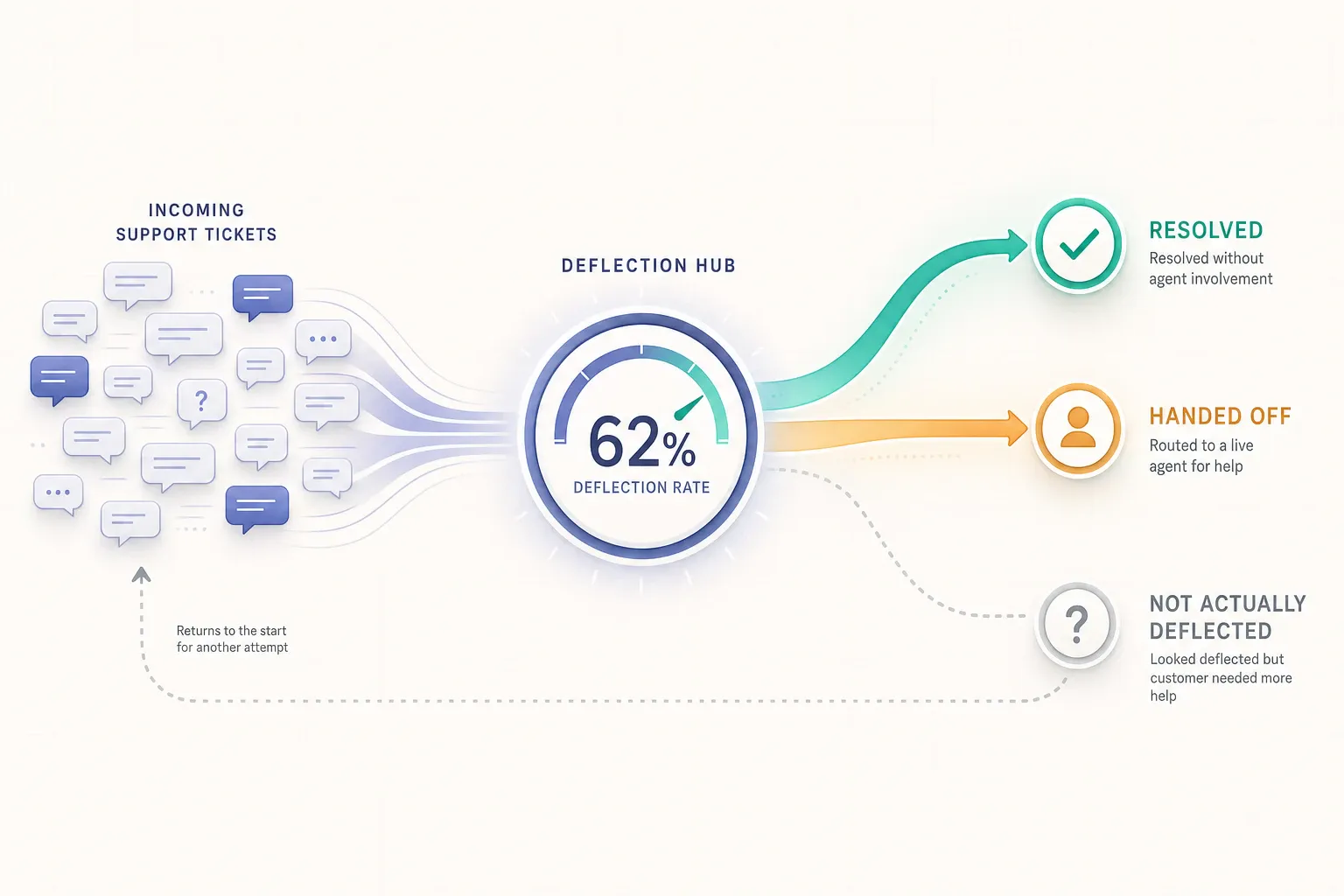
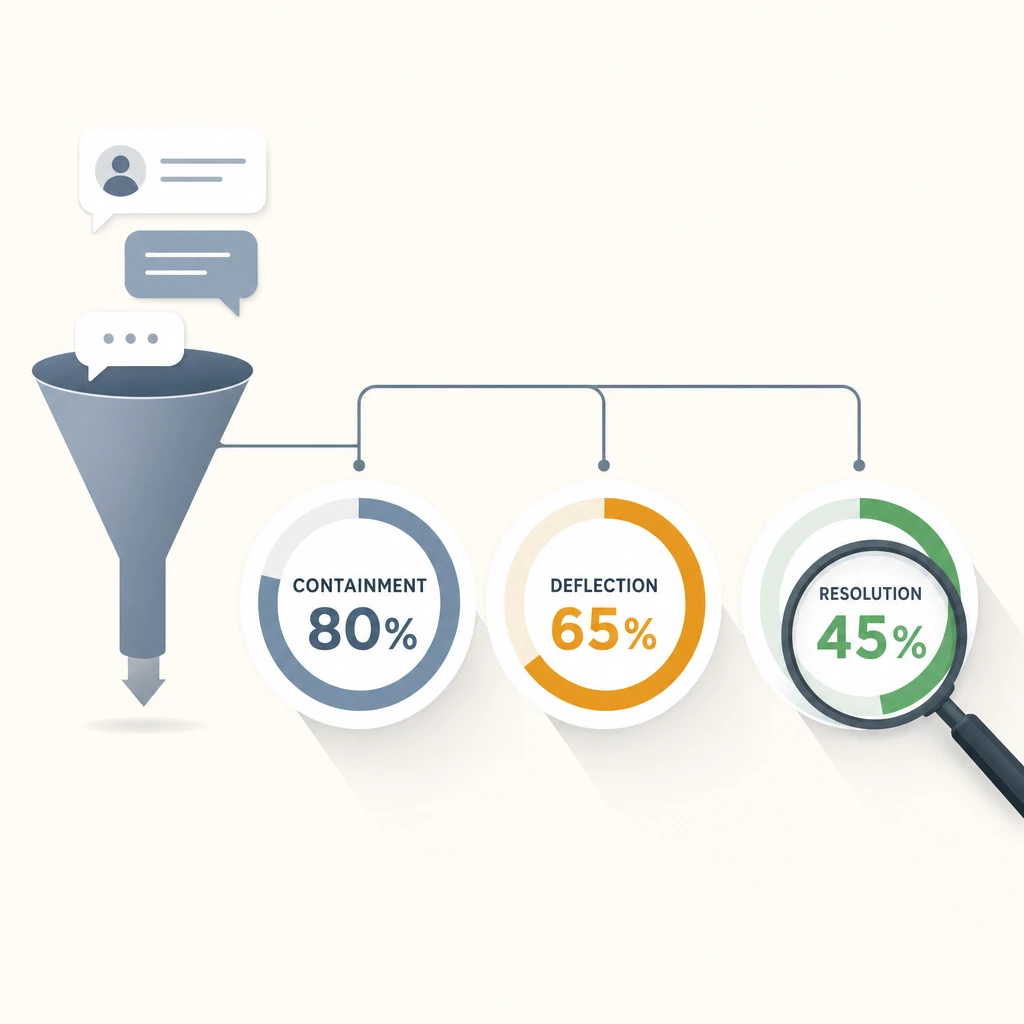
Three vendors can describe the same AI agent as 80% contained, 65% deflected, and 45% resolved. This guide decodes containment, deflection, and resolution rate, shows why the numbers diverge, and gives you a checklist for getting the real figure before you buy.
Six Tidio alternatives for AI customer support, with verified 2026 pricing. Why teams switch — Lyro billed as a separate add-on and a steep jump between plans — and which tool fits which kind of team.
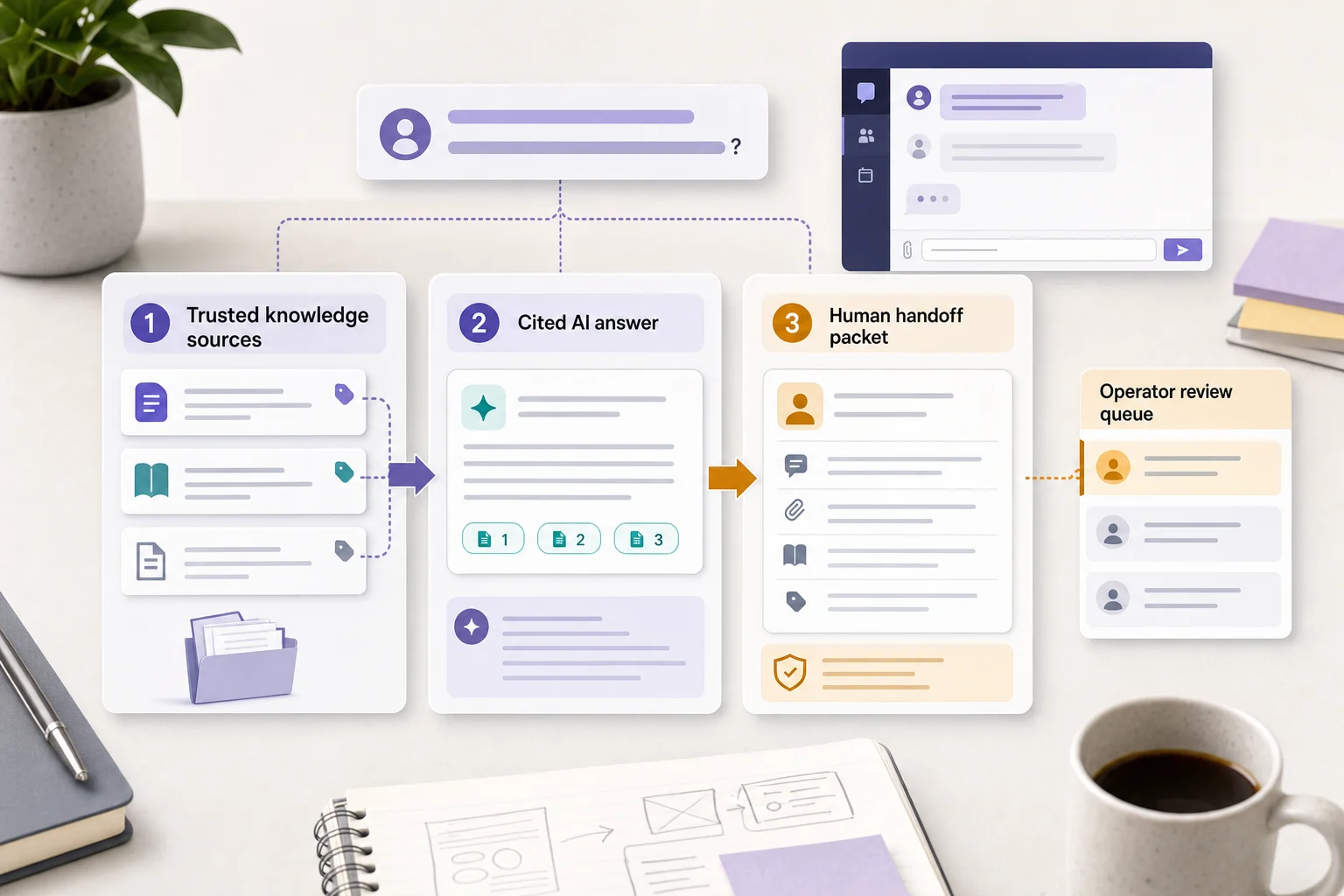
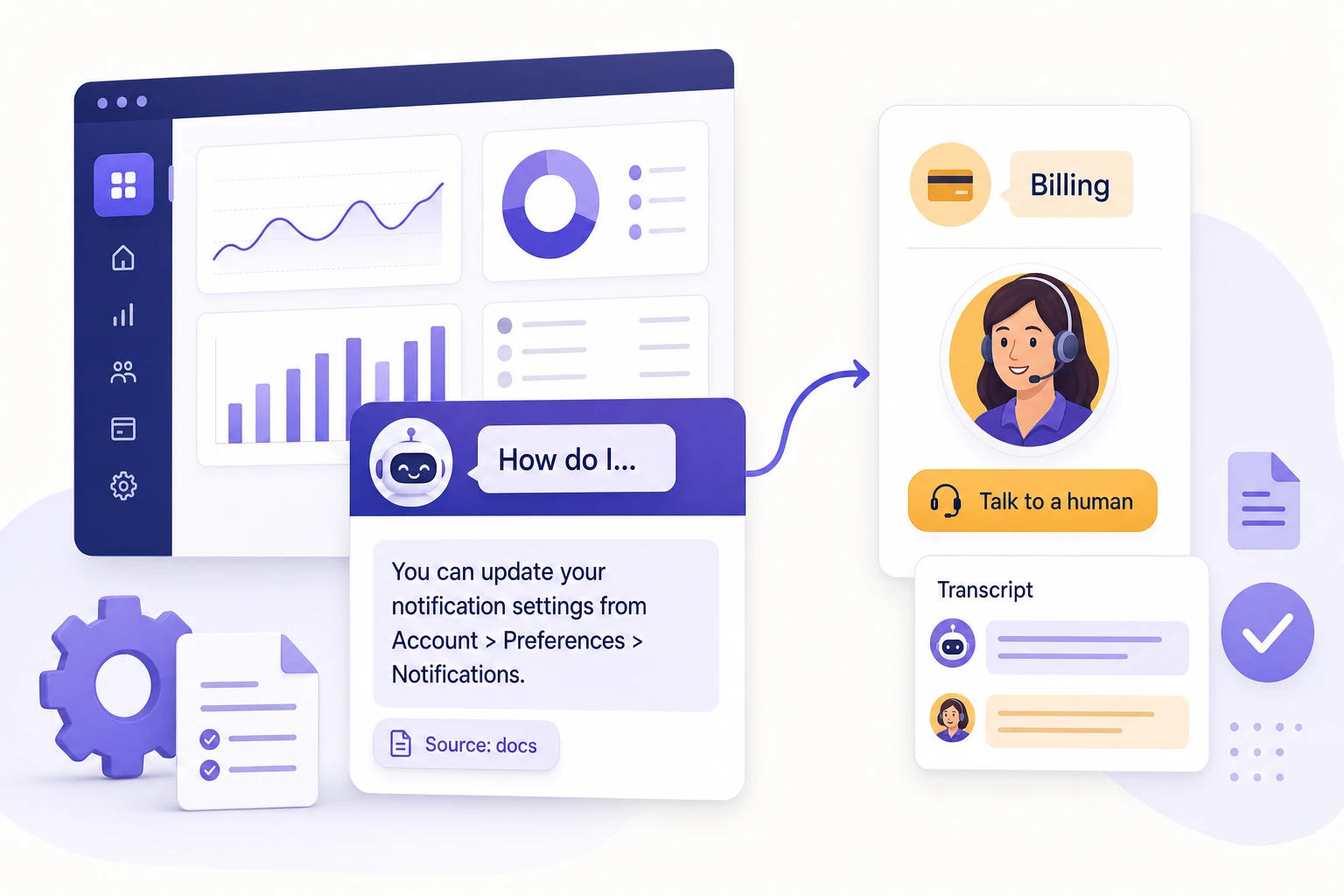
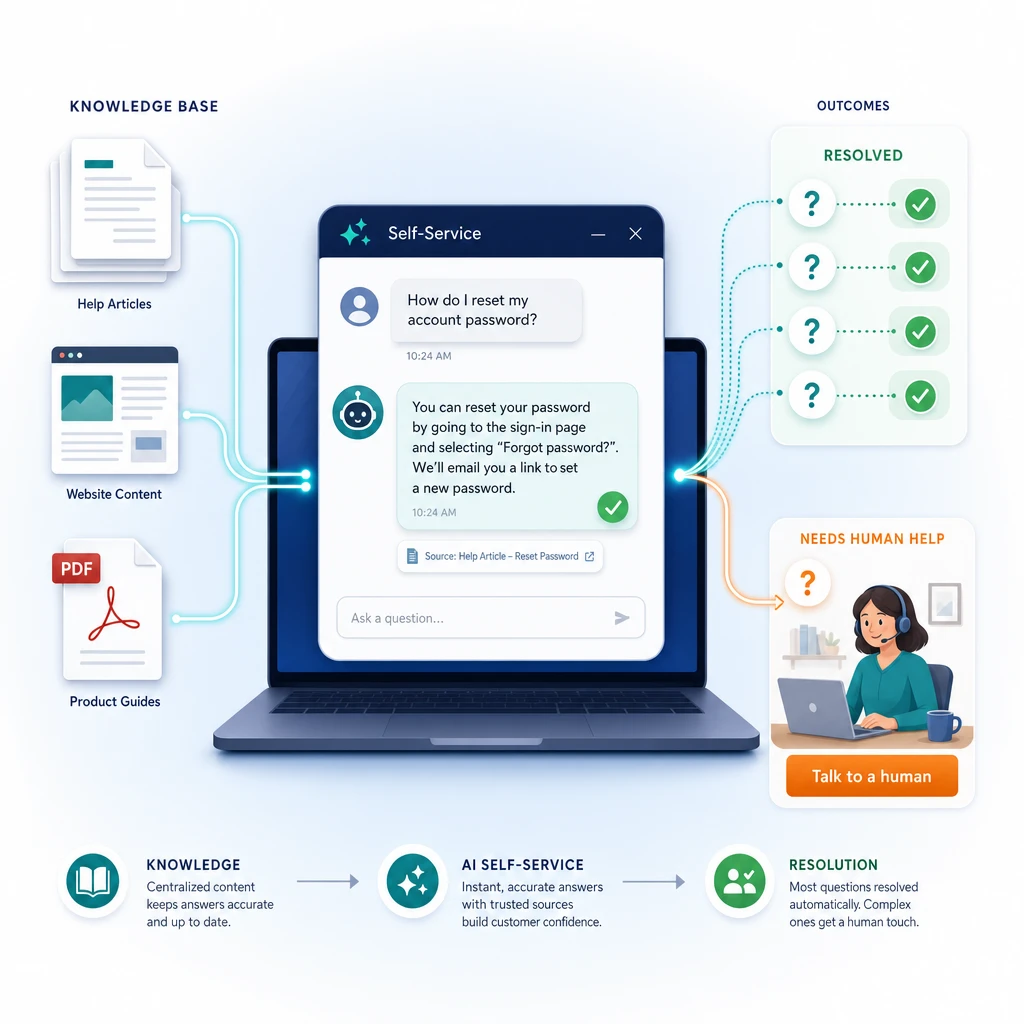
Customers want self-service, but most of it fails to resolve anything. Here's how to build AI customer self-service that answers correctly, cites its sources, and hands off cleanly — instead of just deflecting tickets.
A practical 2026 guide to adding an AI support chatbot to a WordPress site: plugin vs. script-embed, the WordPress.com plan limit to watch for, how to ground answers in your real pages and PDFs, where to paste the snippet (classic themes, block themes, page builders), and how to keep answers cited and handed off cleanly.
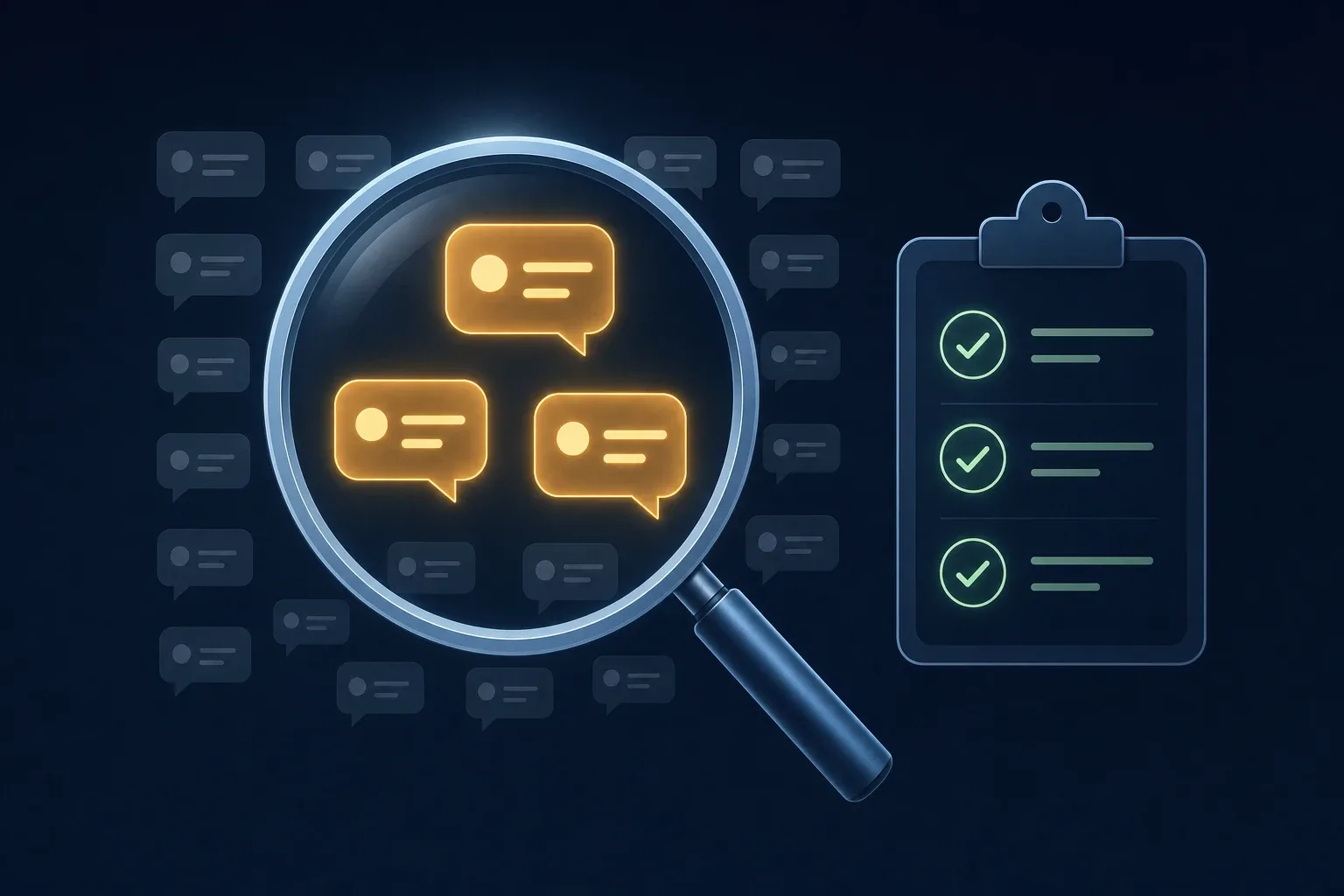
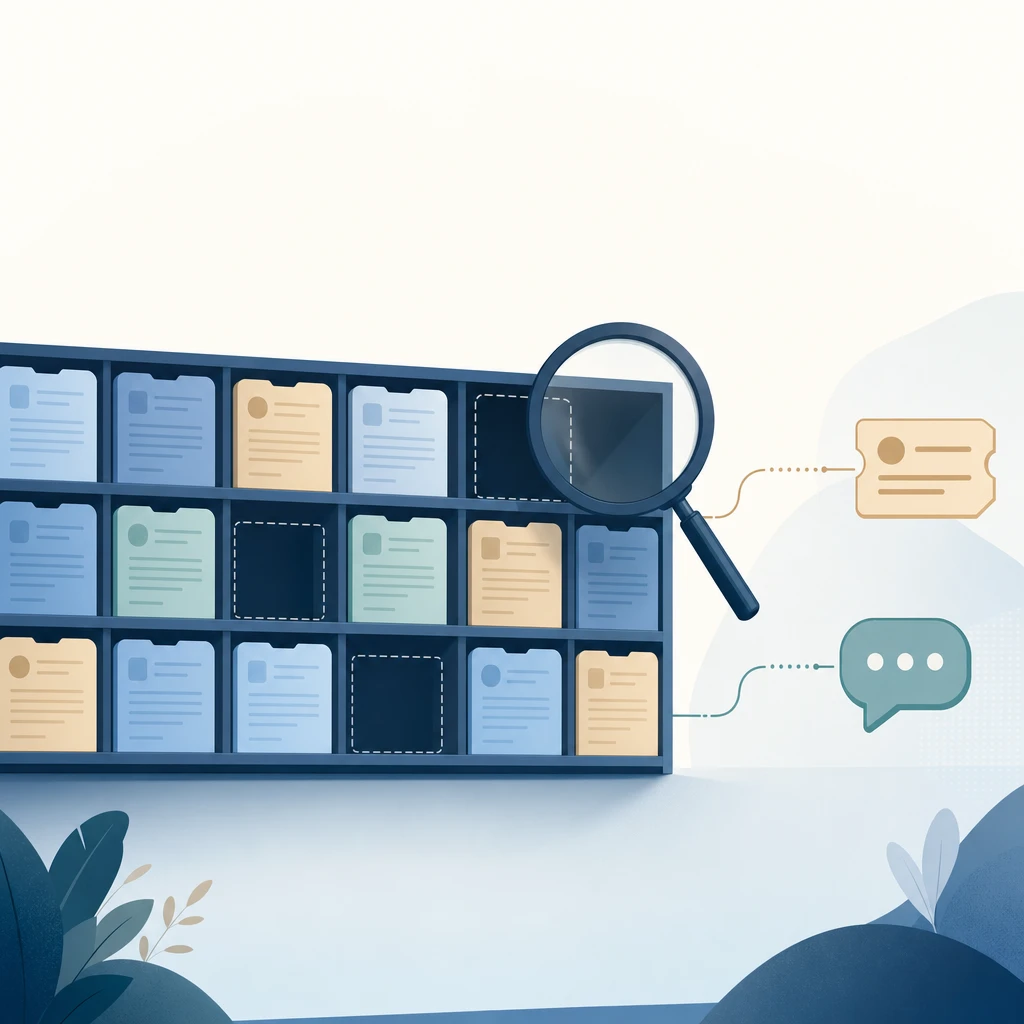
A practical 2026 playbook for support knowledge base gap analysis: where gaps hide, the four data sources that reveal them, how to rank what to fix first, and why a grounded AI agent is the best gap detector you have.
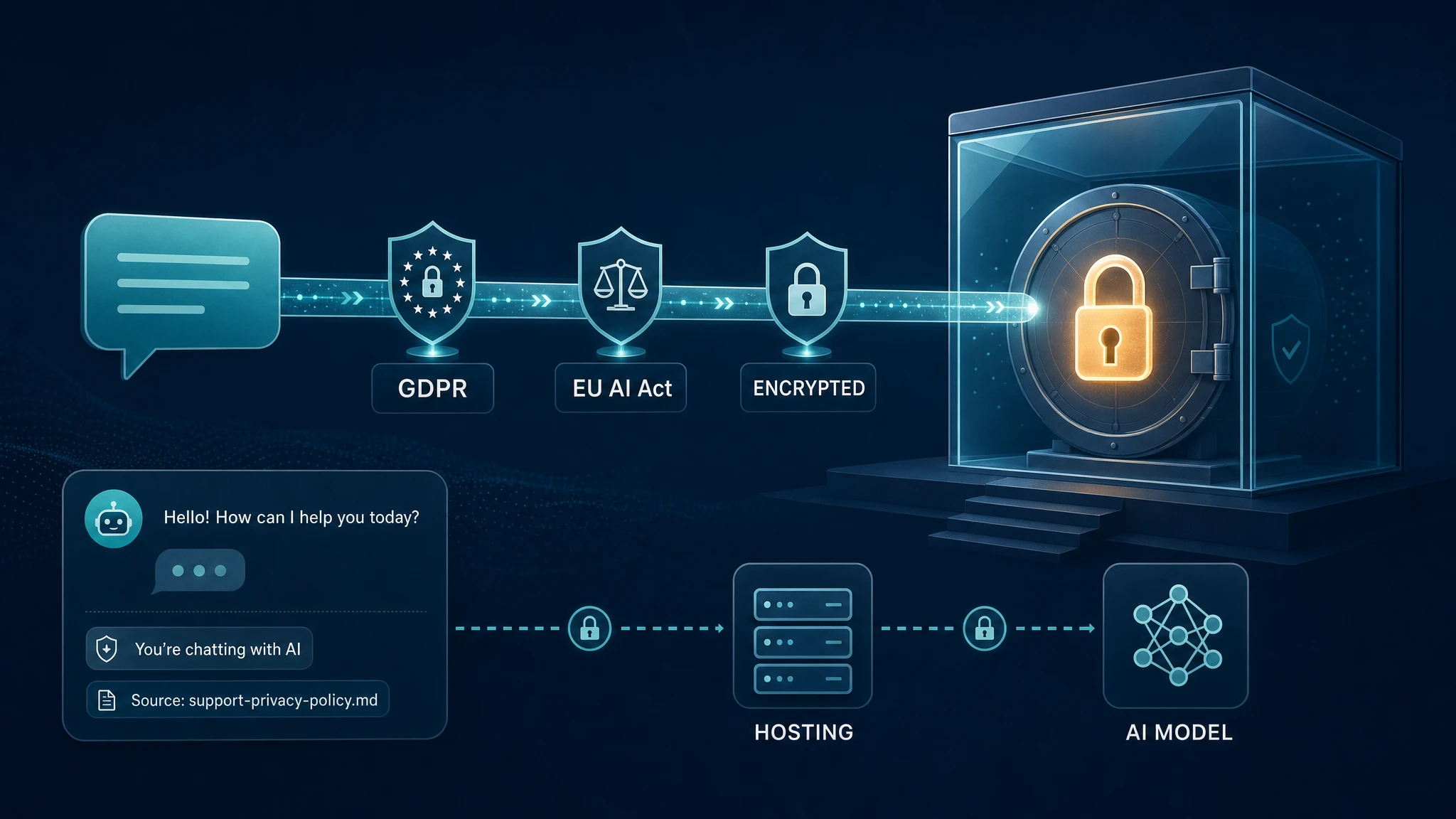
When you put an AI agent in front of customers, every message becomes personal data flowing through your vendor and their model provider. A 2026 guide to where that data goes, the GDPR contract you need, the EU AI Act rule that hits almost every support bot on 2 August 2026, and the questions to ask before you sign.
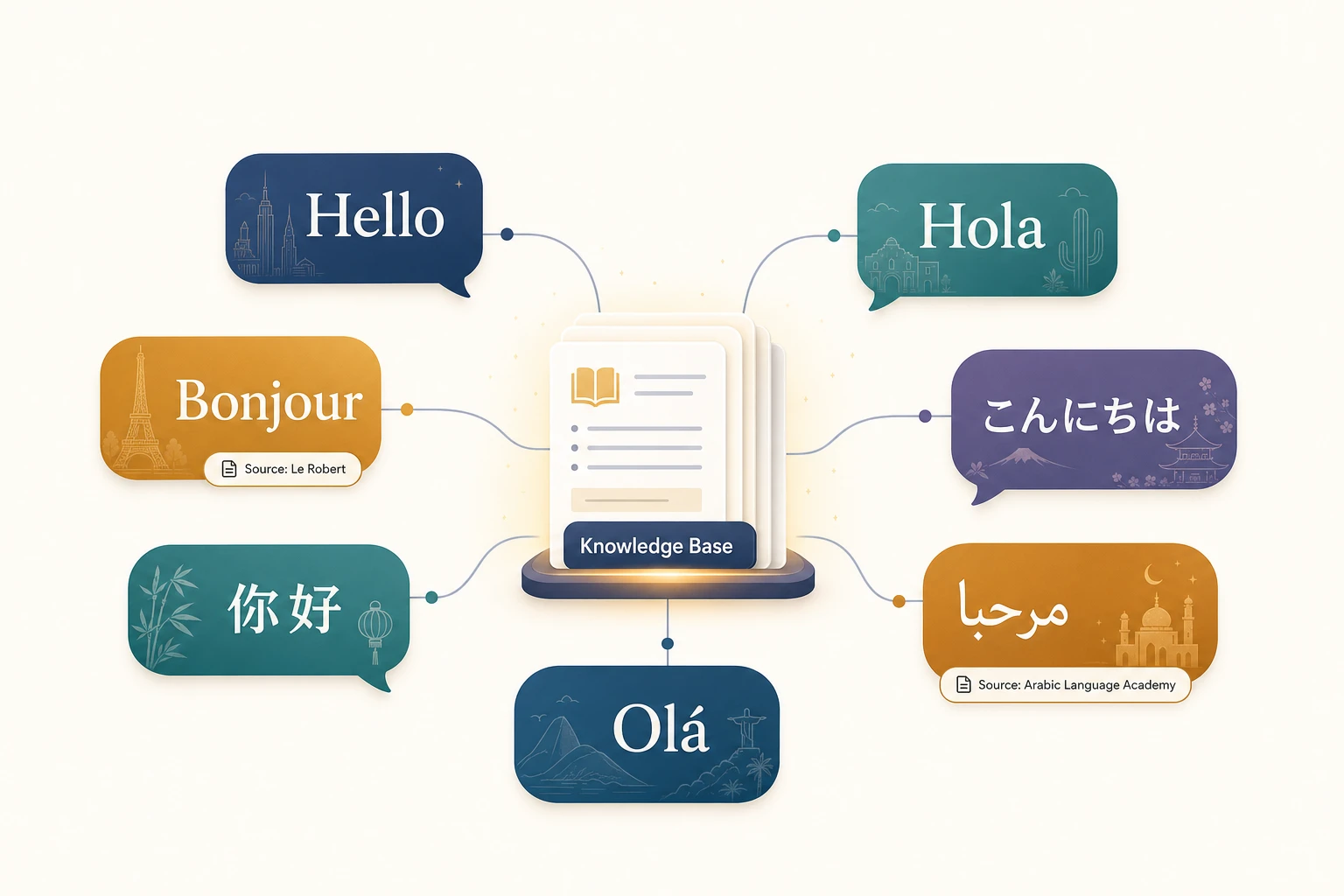
A practical guide to multilingual AI customer support — the two architectures, why one knowledge base is enough, where translation breaks, and how to test answer quality language by language.
An honest look at six Gorgias alternatives for ecommerce support, with verified 2026 pricing. Why teams switch — per-ticket plans stacked with per-resolution AI — and which tool fits which kind of store.
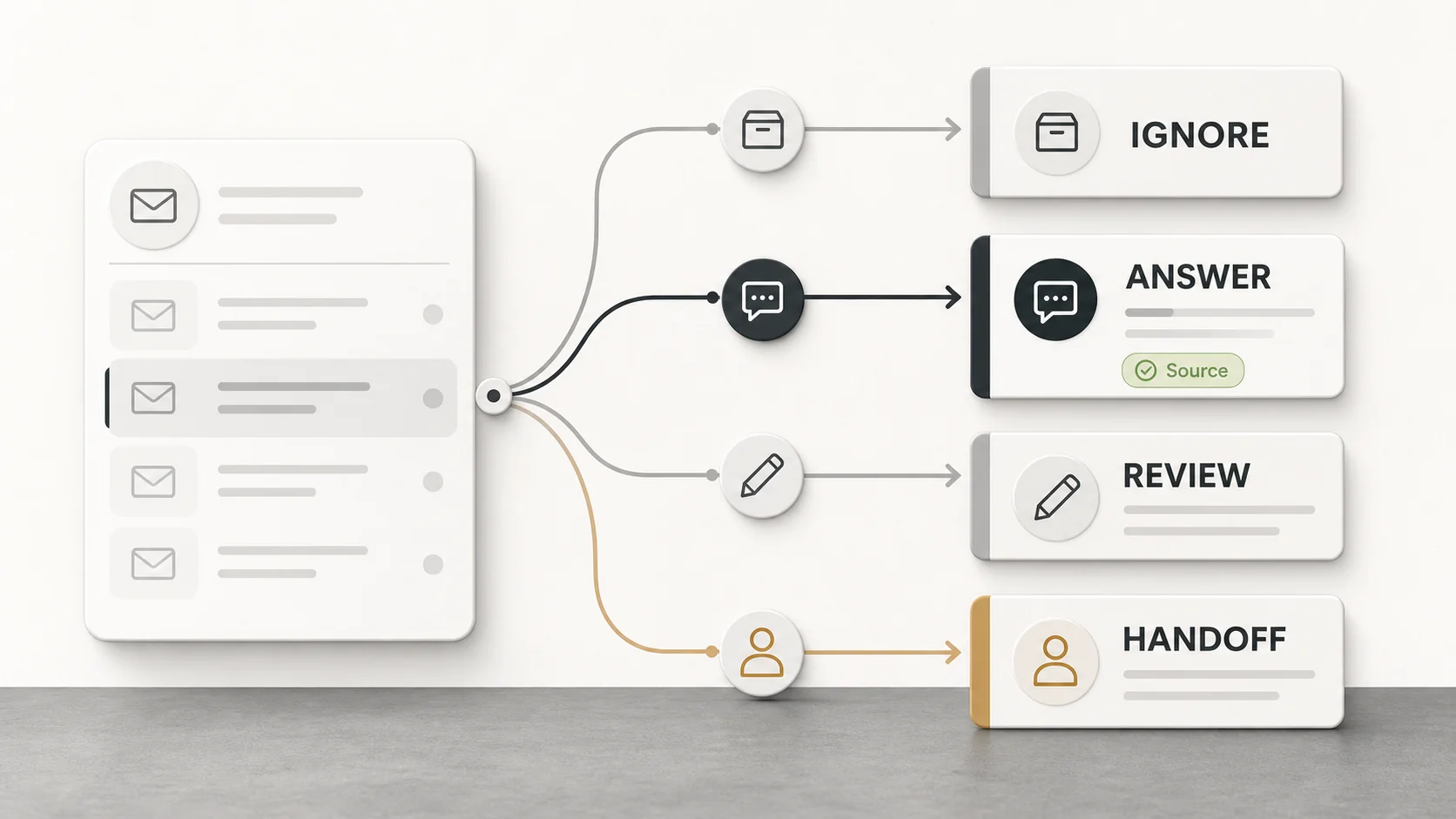
How SaaS teams set up AI customer support that holds up: sorting tickets into four buckets, grounding answers in docs that stay current, and escalating trials and at-risk accounts before churn.
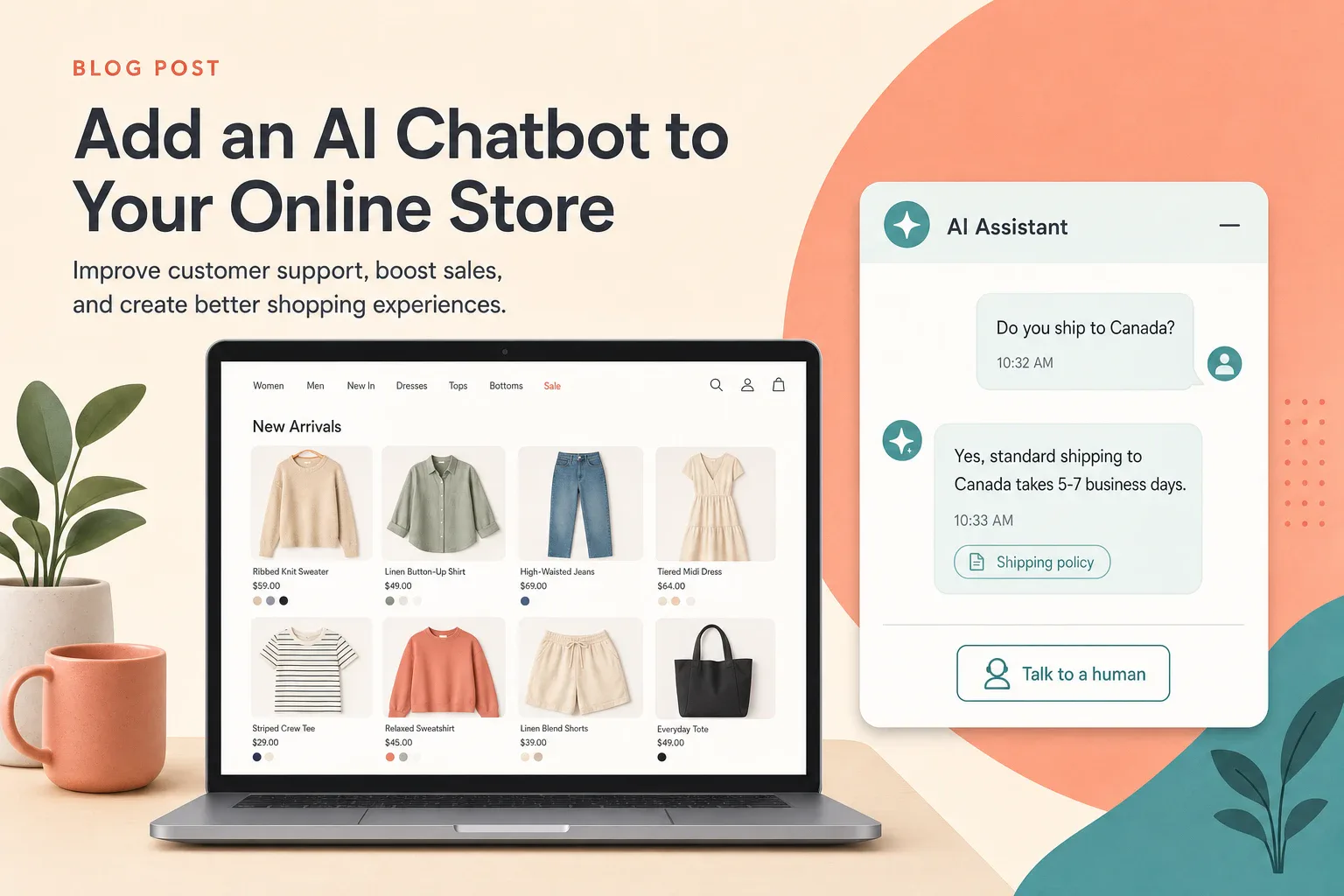
A practical 2026 guide to adding an AI customer-support chatbot to a Shopify store: what Shopify's built-in AI does and doesn't do, how to embed a grounded support agent in your theme, the live-order-data limit to plan around, and when to hand off to a human.
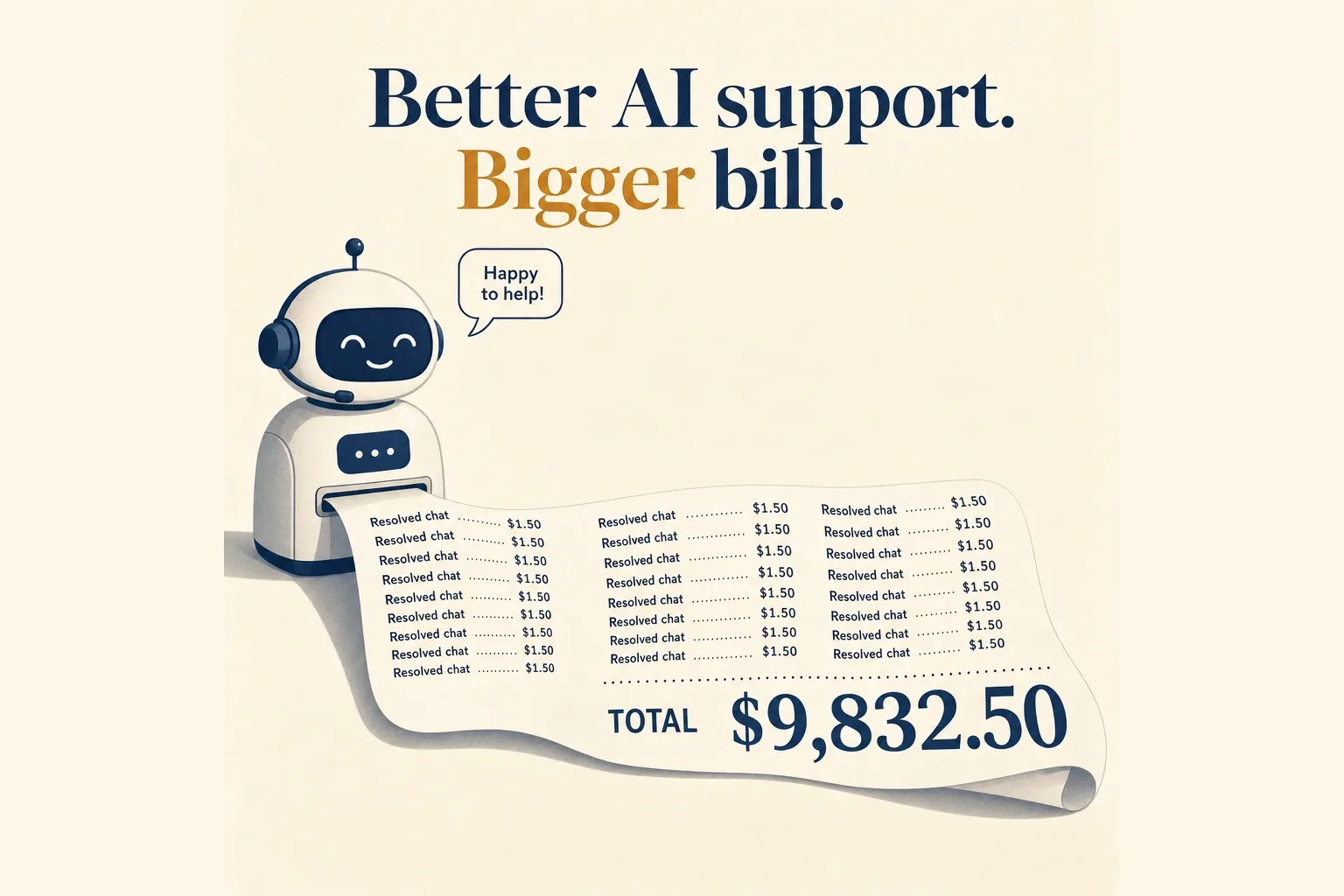
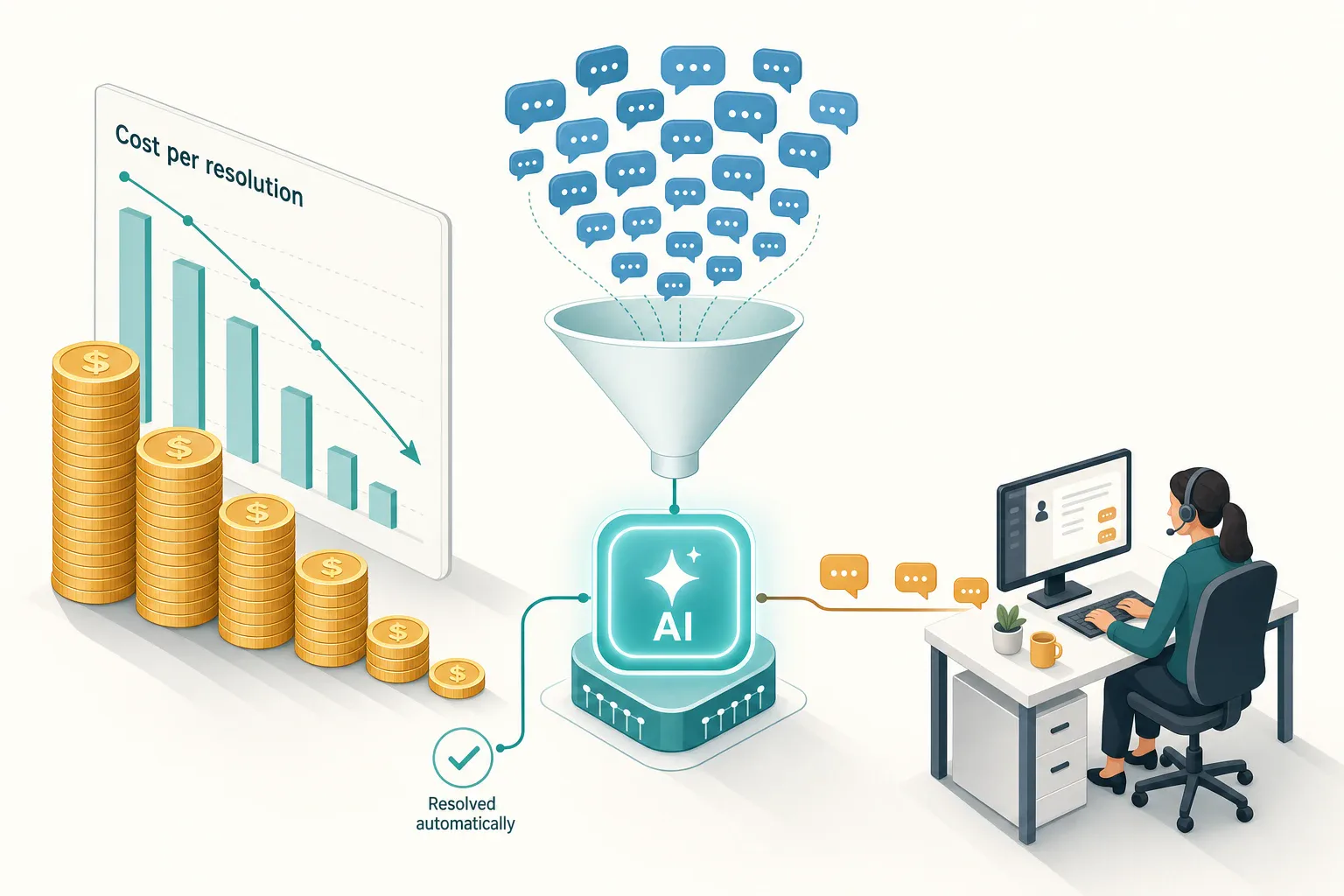
AI cuts support costs by removing humans from the answers that don't need them — but only if you measure cost per resolution, not deflection percentage. This playbook covers what support actually costs, where AI saves money and where it quietly adds it, a spreadsheet model you can run today, and the per-resolution pricing trap that punishes you for succeeding.
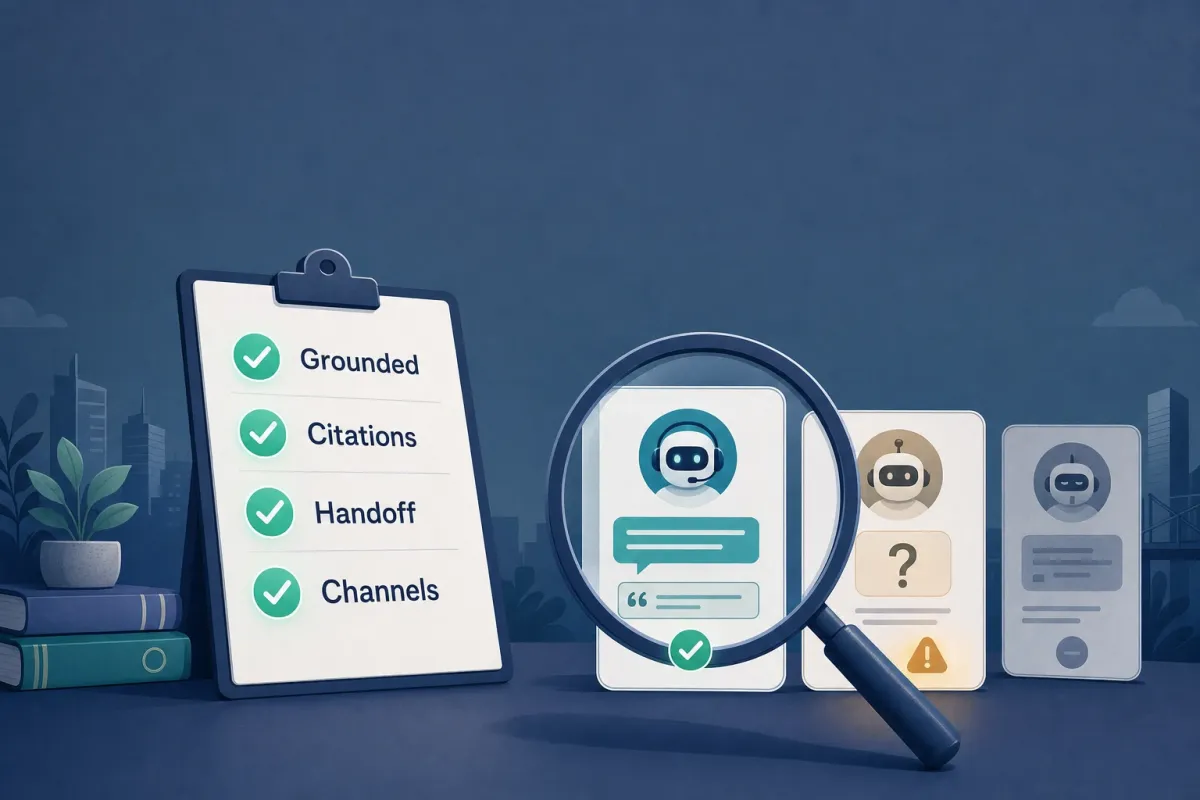
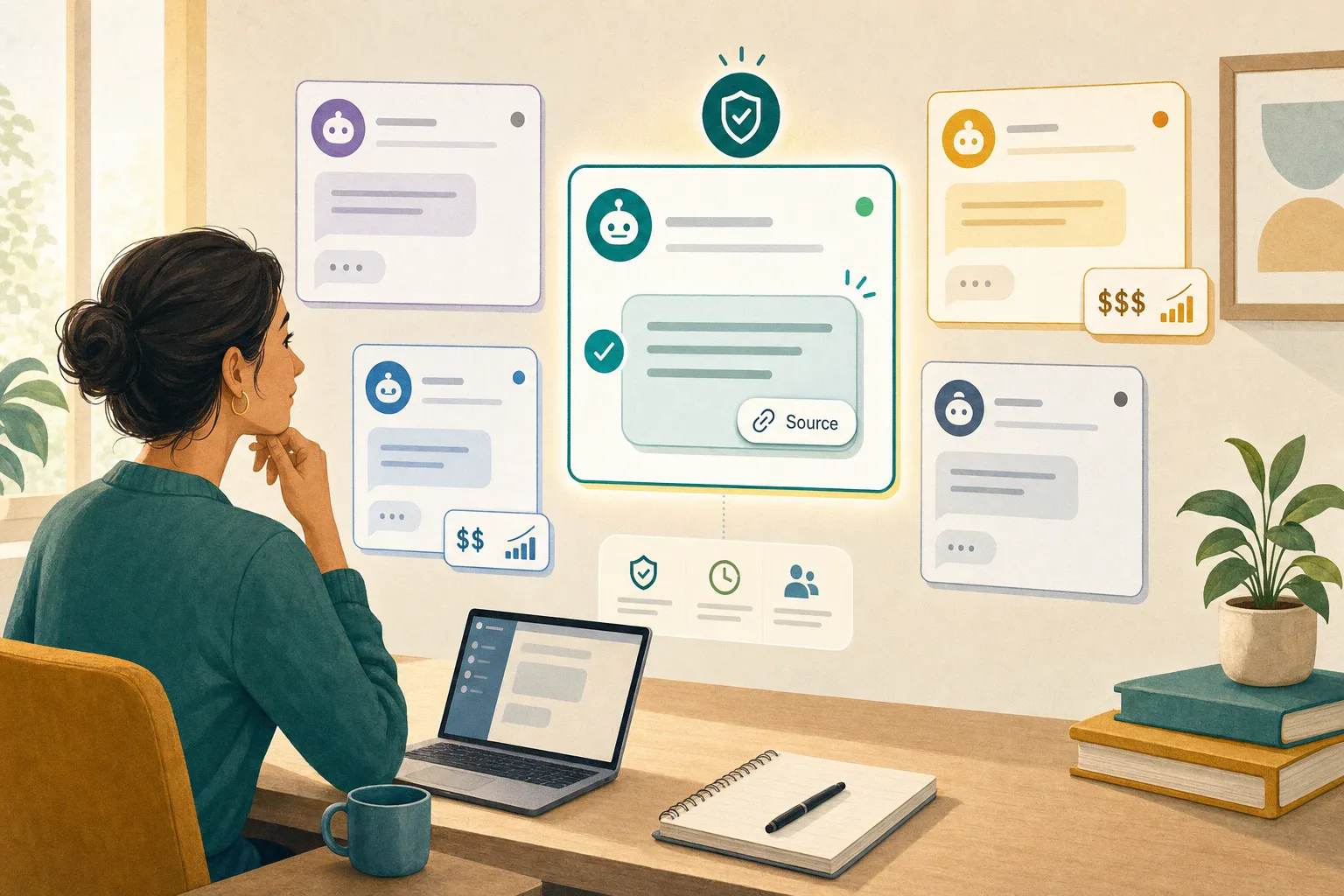
A practical 2026 checklist for choosing AI customer support software — the eight things to test before you buy, how to verify each one in a trial, and which category of tool fits which team.
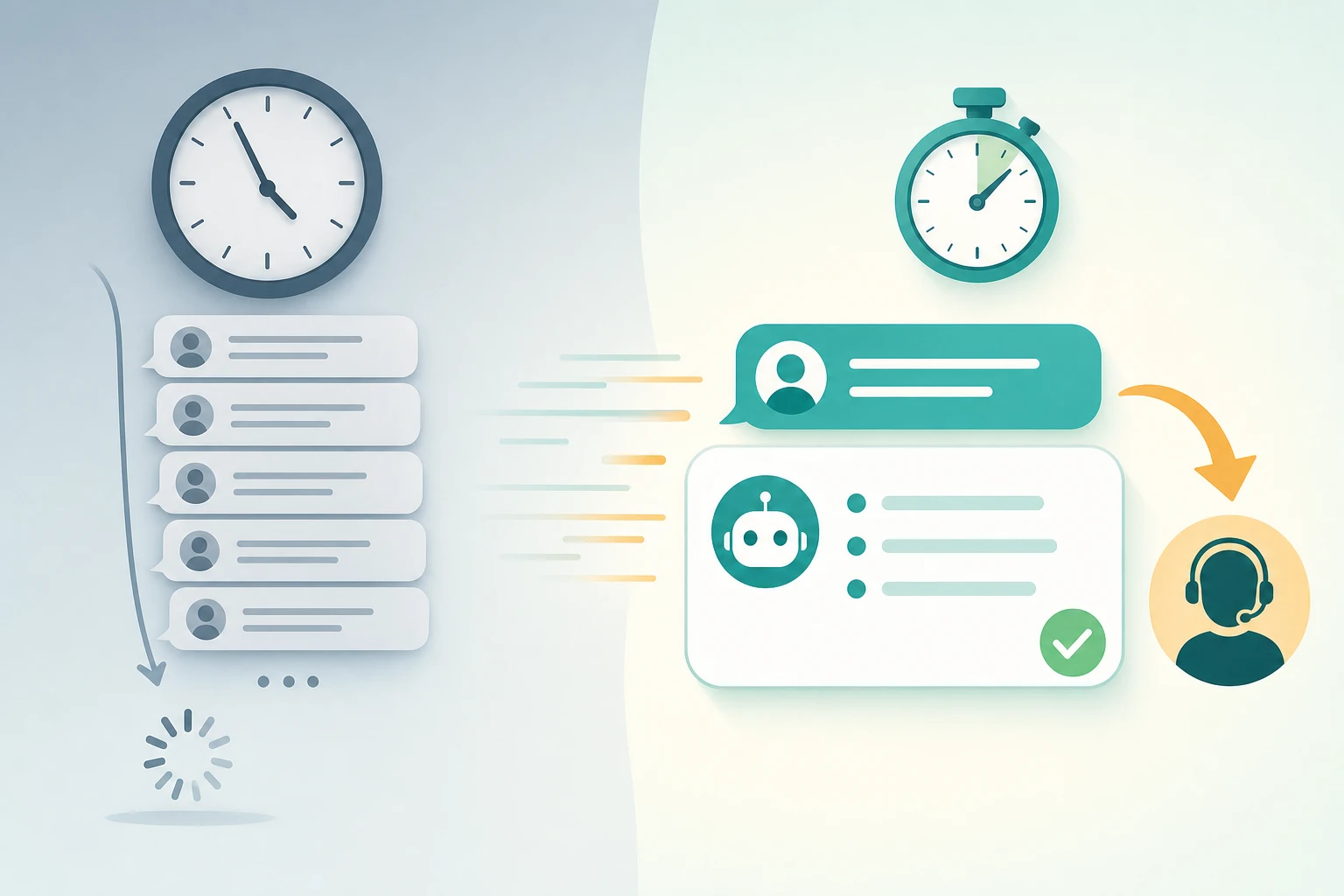
Customers judge your support by how fast you reply first, not how fast you close. This playbook explains how first response time is measured, what a realistic 2026 benchmark looks like by channel, and seven ways to cut it with AI without faking the number.
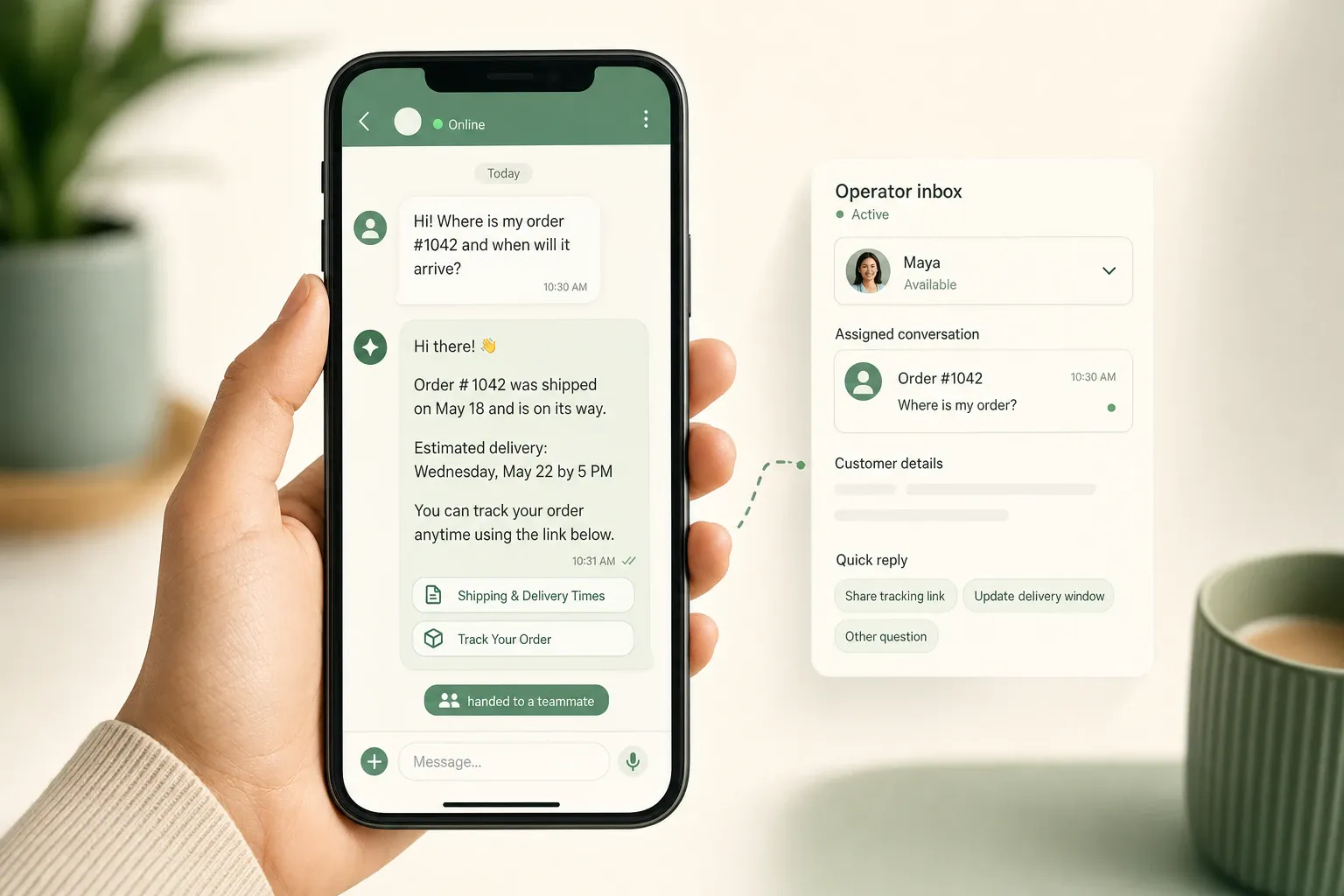
A practical guide to running an AI support agent on WhatsApp: the Business Platform rules, the 24-hour service window, grounded answers, and human handoff.
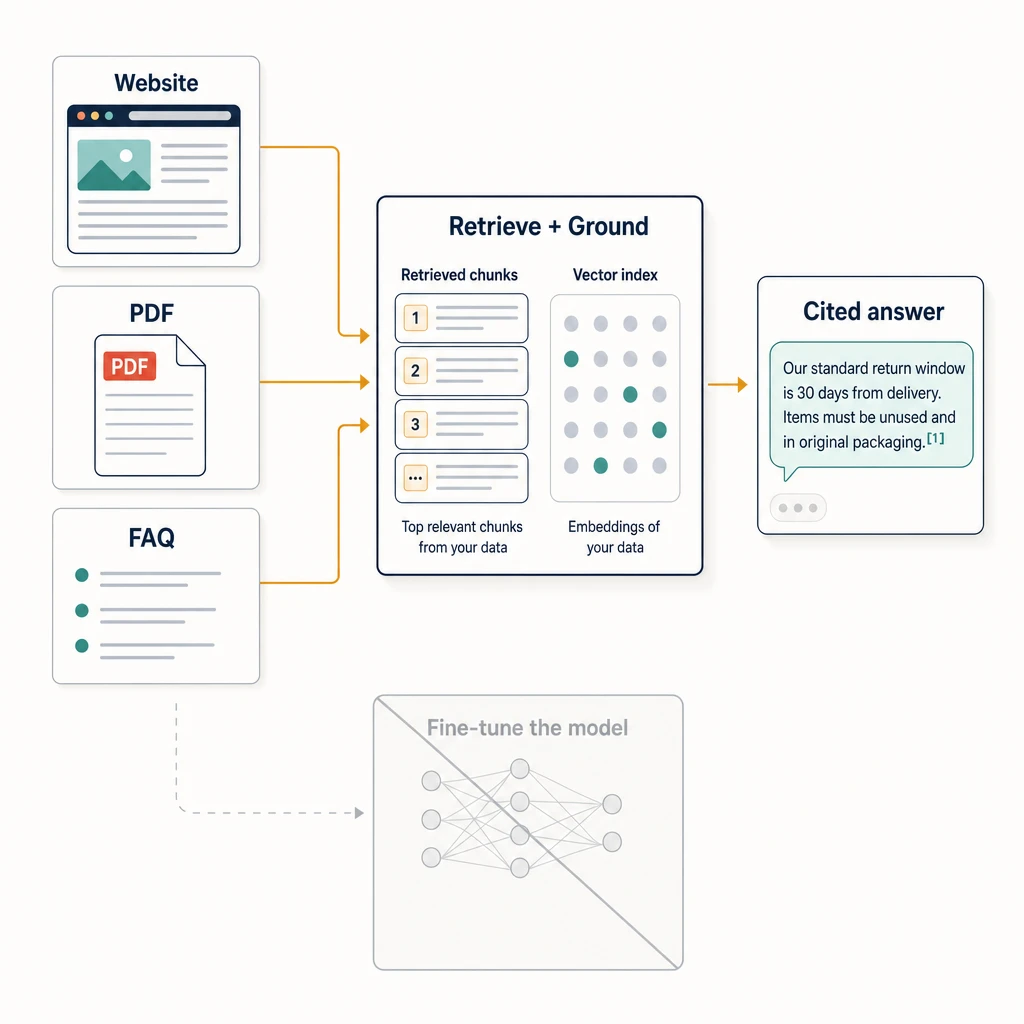
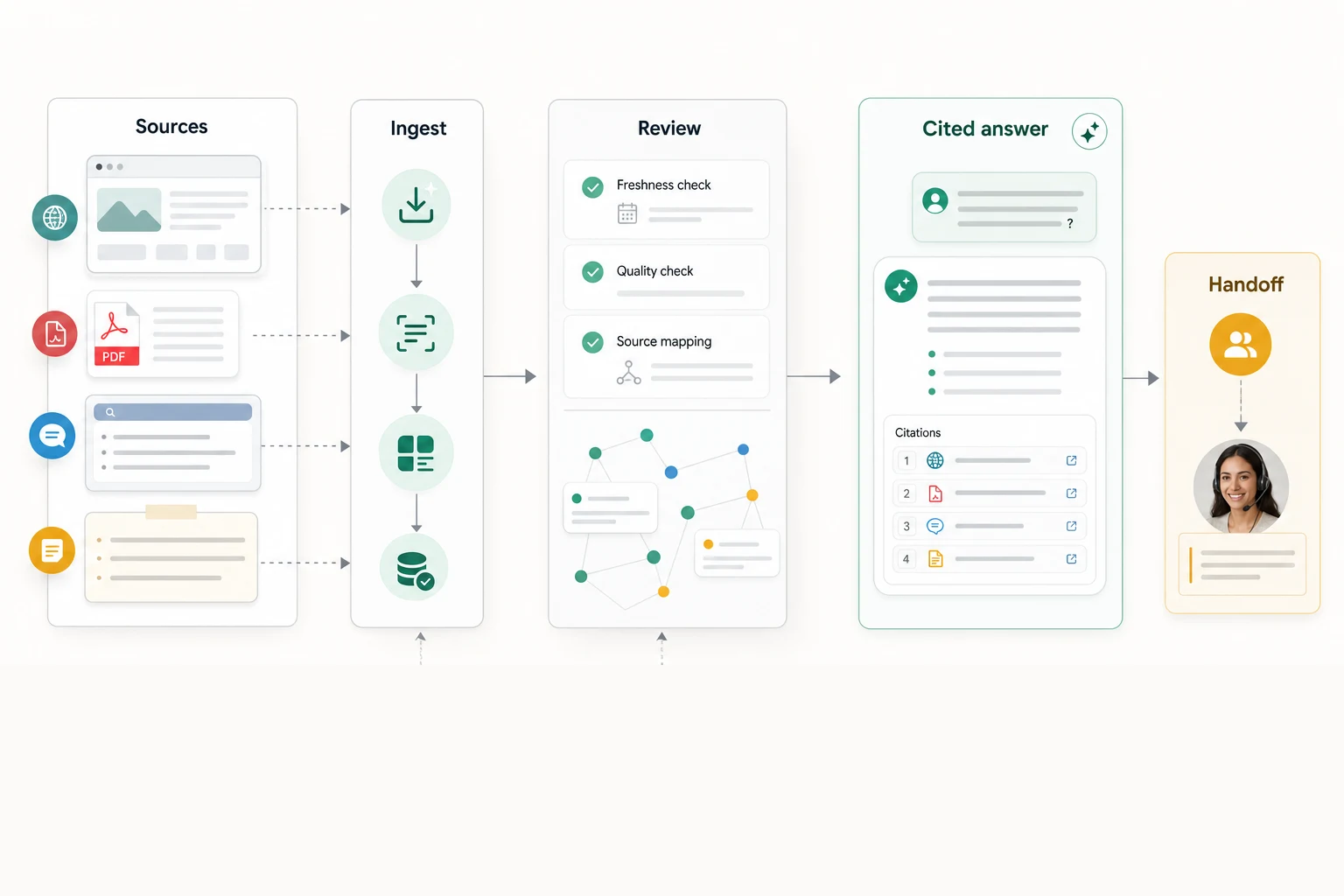
A practical 2026 guide to training an AI chatbot on your own data for customer support: what training actually means, the step-by-step ingestion workflow, how to avoid hallucinations with grounding and citations, and when fine-tuning is the wrong tool.
A good ticket deflection rate is the one you can defend. This guide explains how deflection is calculated, why it is not the same as resolution, what a realistic benchmark looks like in 2026, and how to raise it without faking the number.
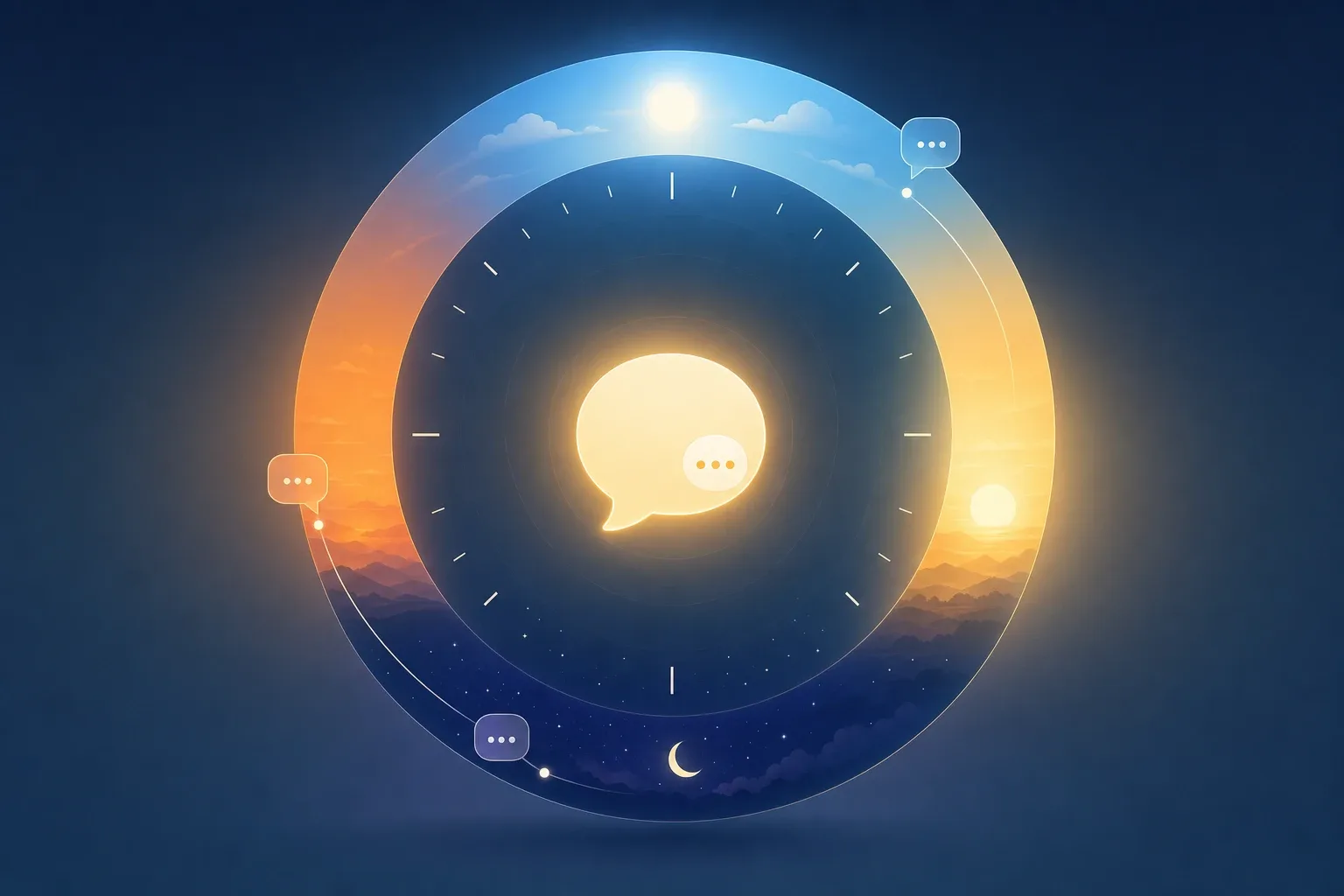
A practical playbook for running 24/7 customer support with AI: what an always-on agent should answer overnight, what still needs a human, and how to handle handoff at 3 a.m. without leaving customers stranded.
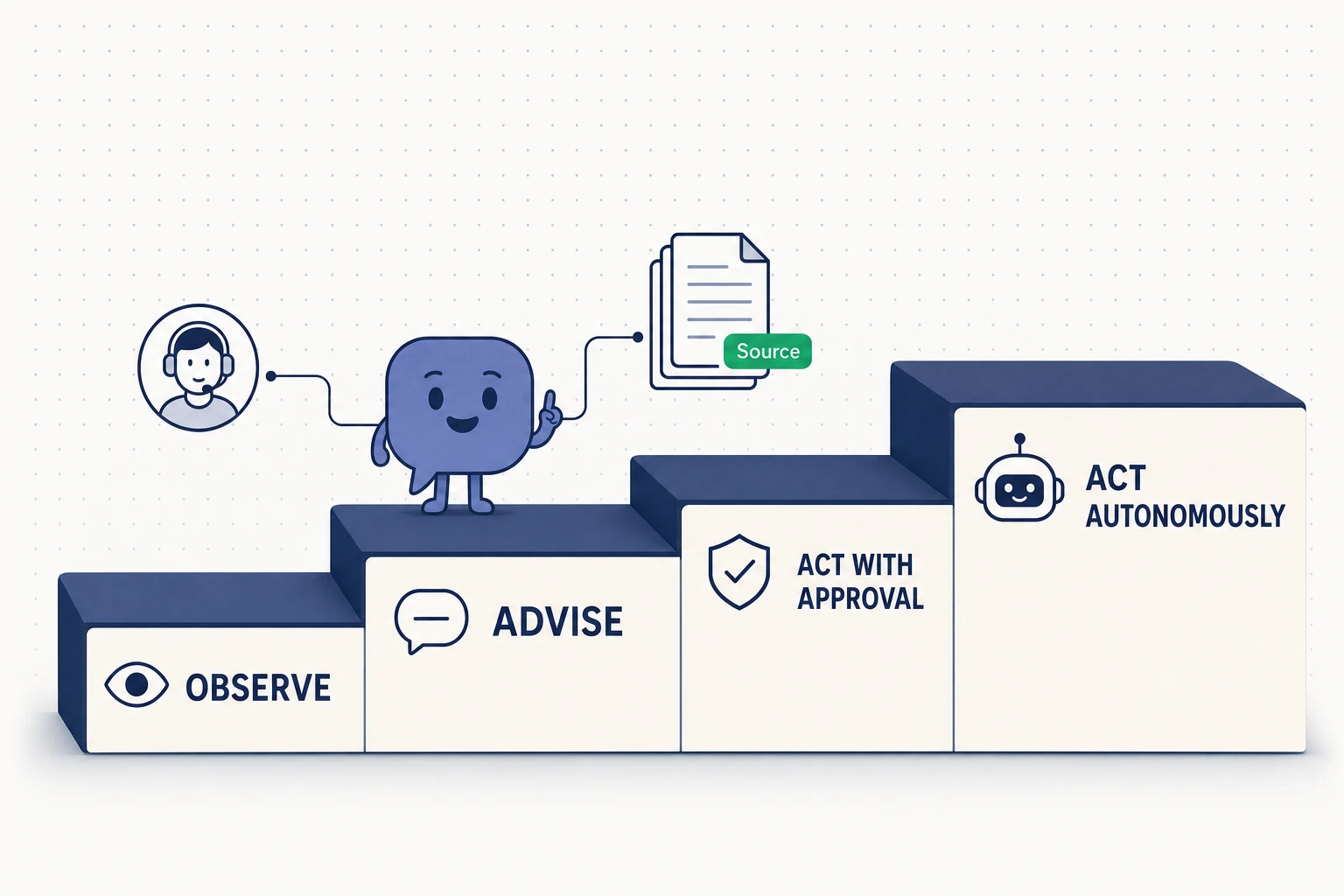
Every vendor now calls its bot an AI agent. Here is the distinction that actually matters for customer support, how to tell which one you are being sold, and which one your team needs first.
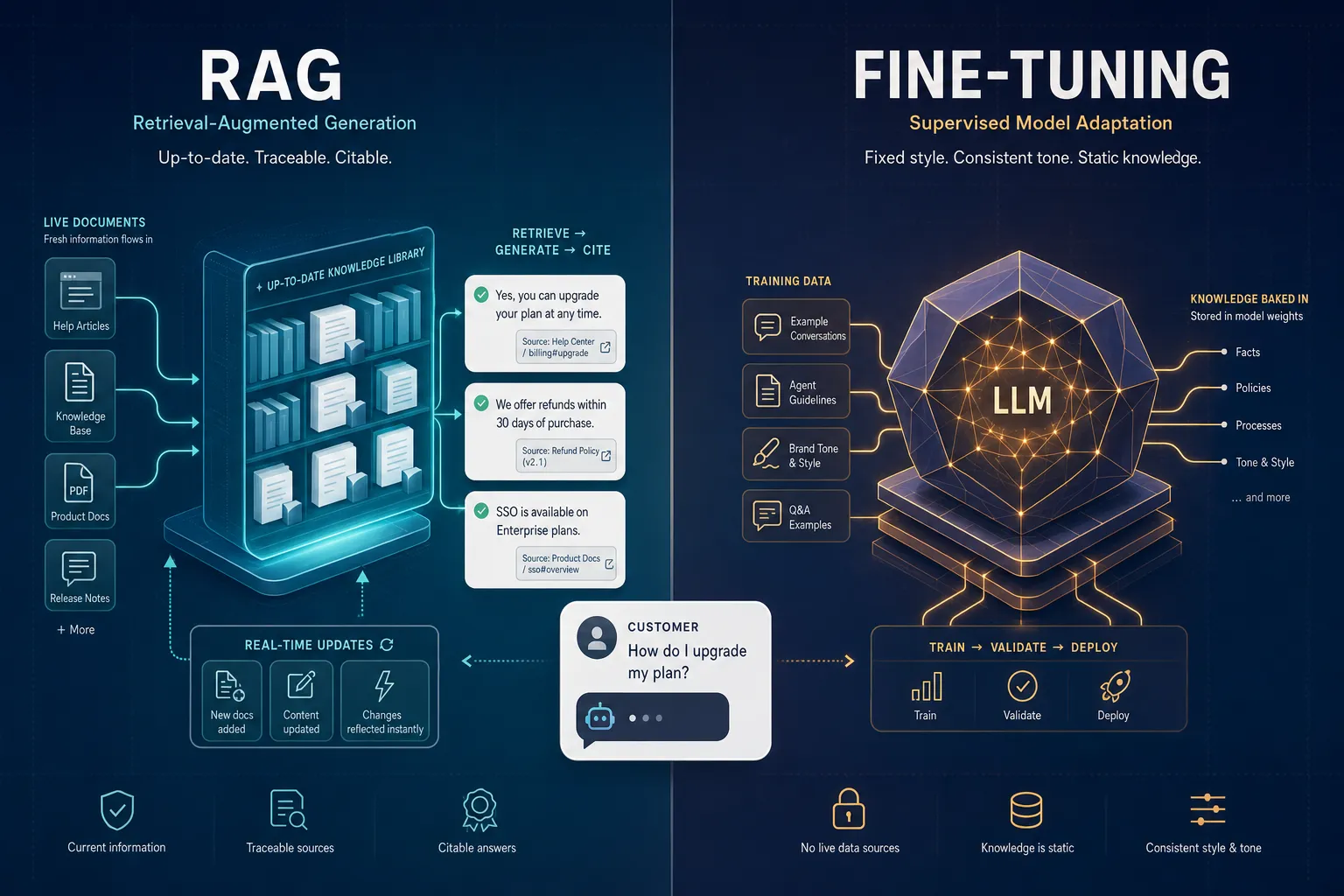
For most customer support bots, RAG is the right default and fine-tuning is the exception. Here is how to tell which one you need, what each costs to run, and where a hybrid makes sense.
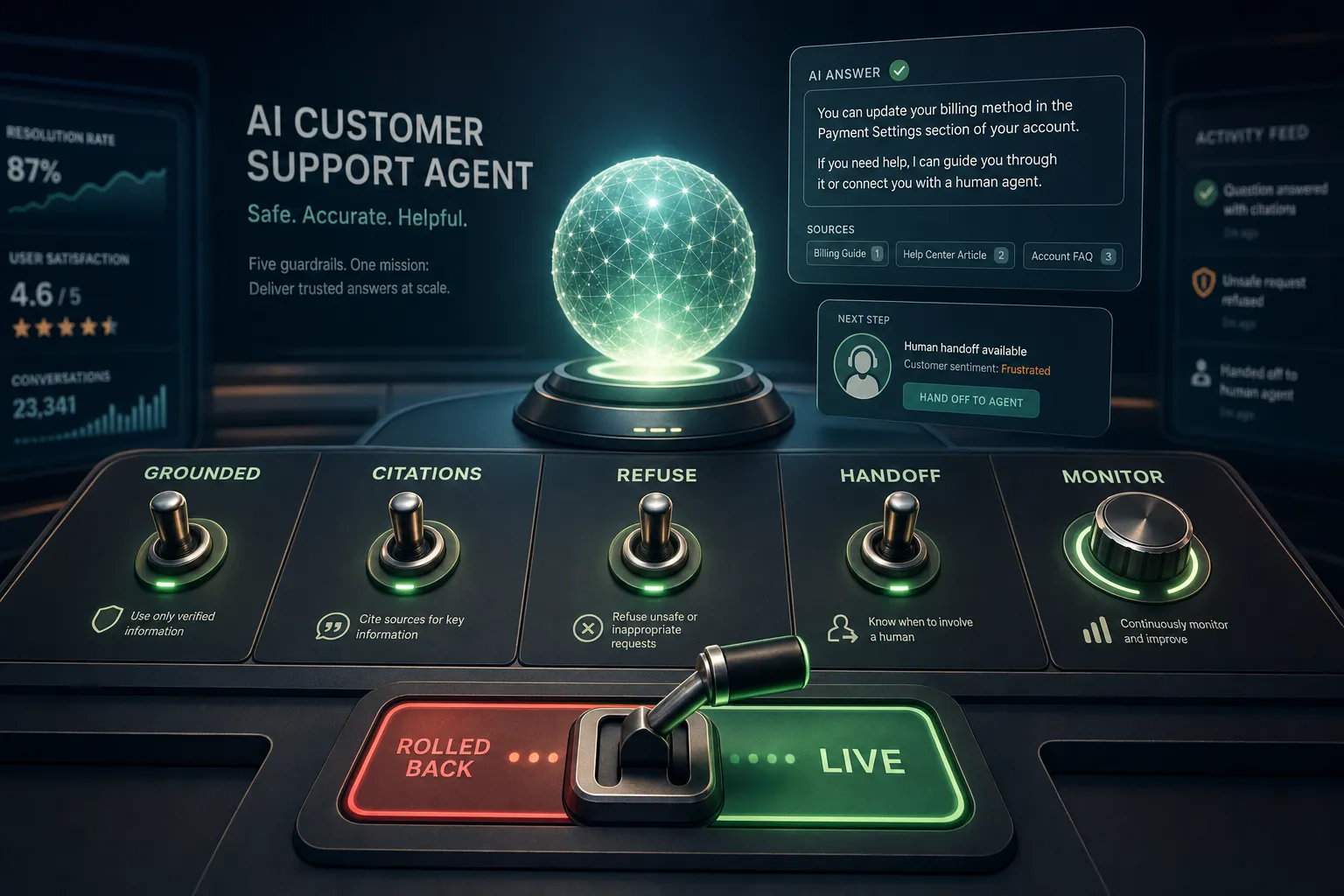
Most AI support agents fail weeks after launch, not at launch. Here are the five failure modes that cause rollbacks and the controls that keep an agent live.
Looking for a Zendesk alternative? Here are six options for teams comparing AI support quality, grounded answers, human handoff, and pricing shape, checked in May 2026.
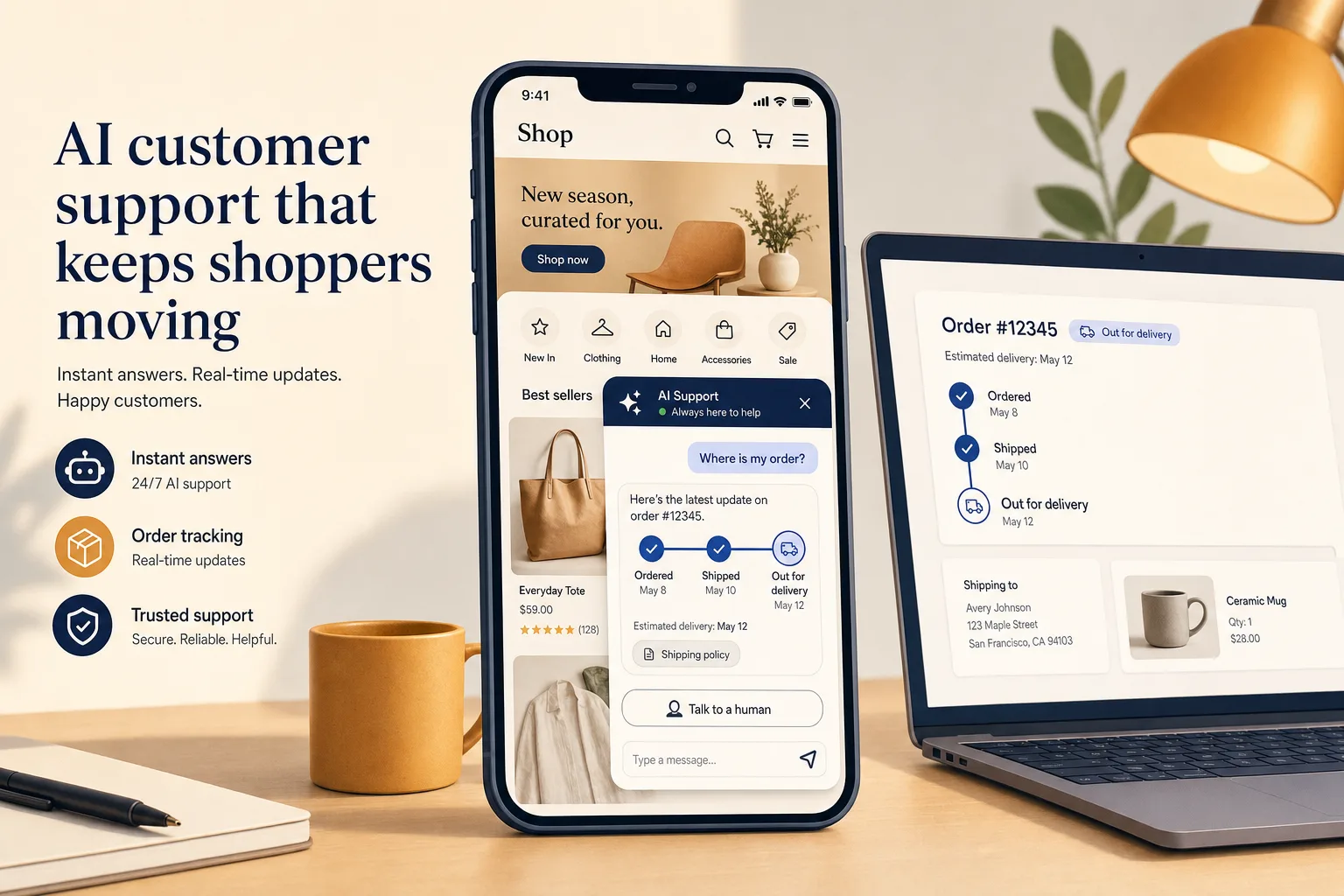
A practical guide to AI customer support for ecommerce: which questions to automate, where order data and human handoff matter, and how to set it up without breaking trust.
A practical Microsoft Teams support bot guide: choose the right use case, prepare trusted sources, control chat behavior, and plan handoff.
A practical AI customer service for small business rollout plan: pick one workflow, prepare trusted sources, test handoff, and expand safely.
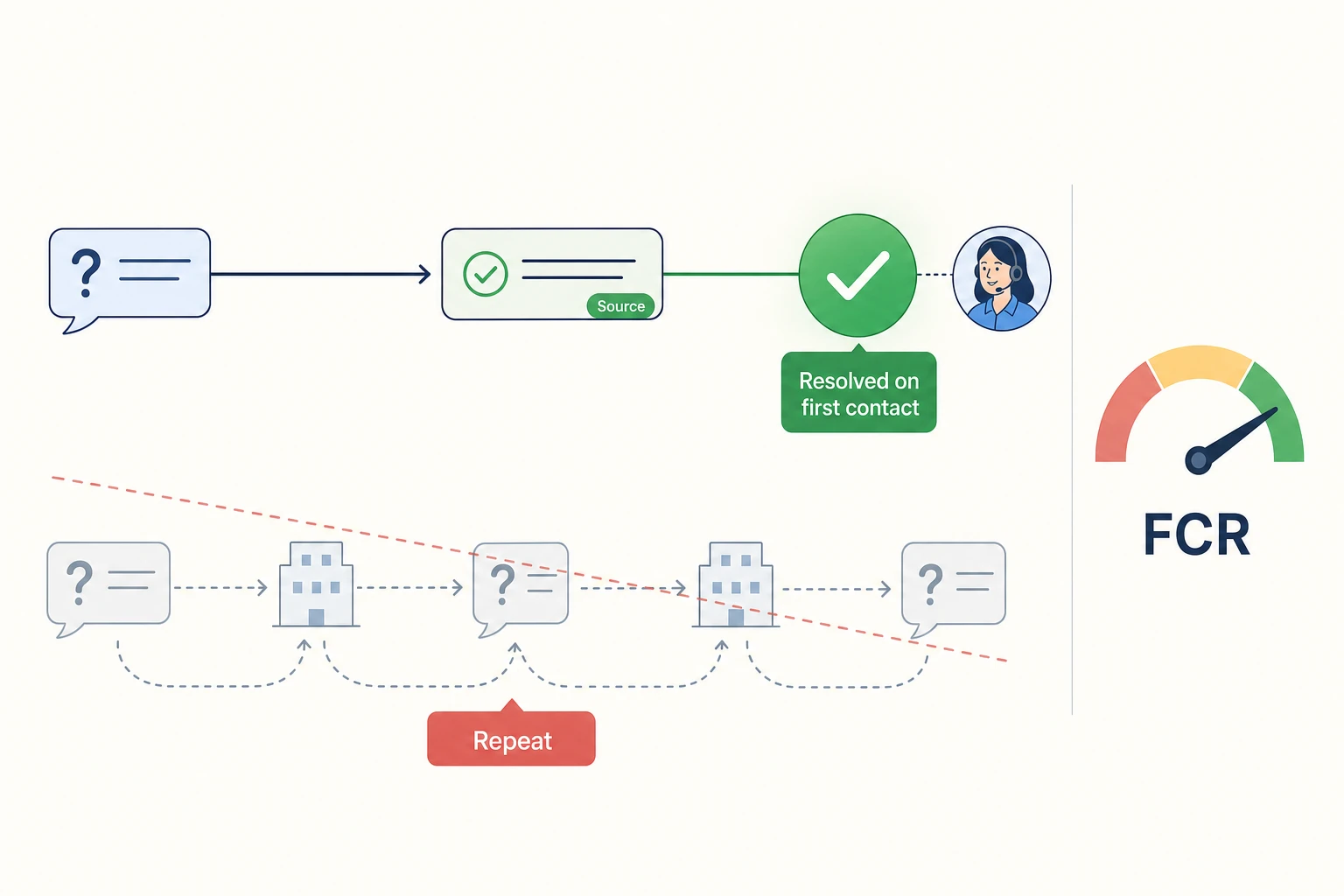
AI customer service metrics should prove that customers got accurate, cited answers, fast handoff, and fewer repeat contacts, not just fewer tickets.
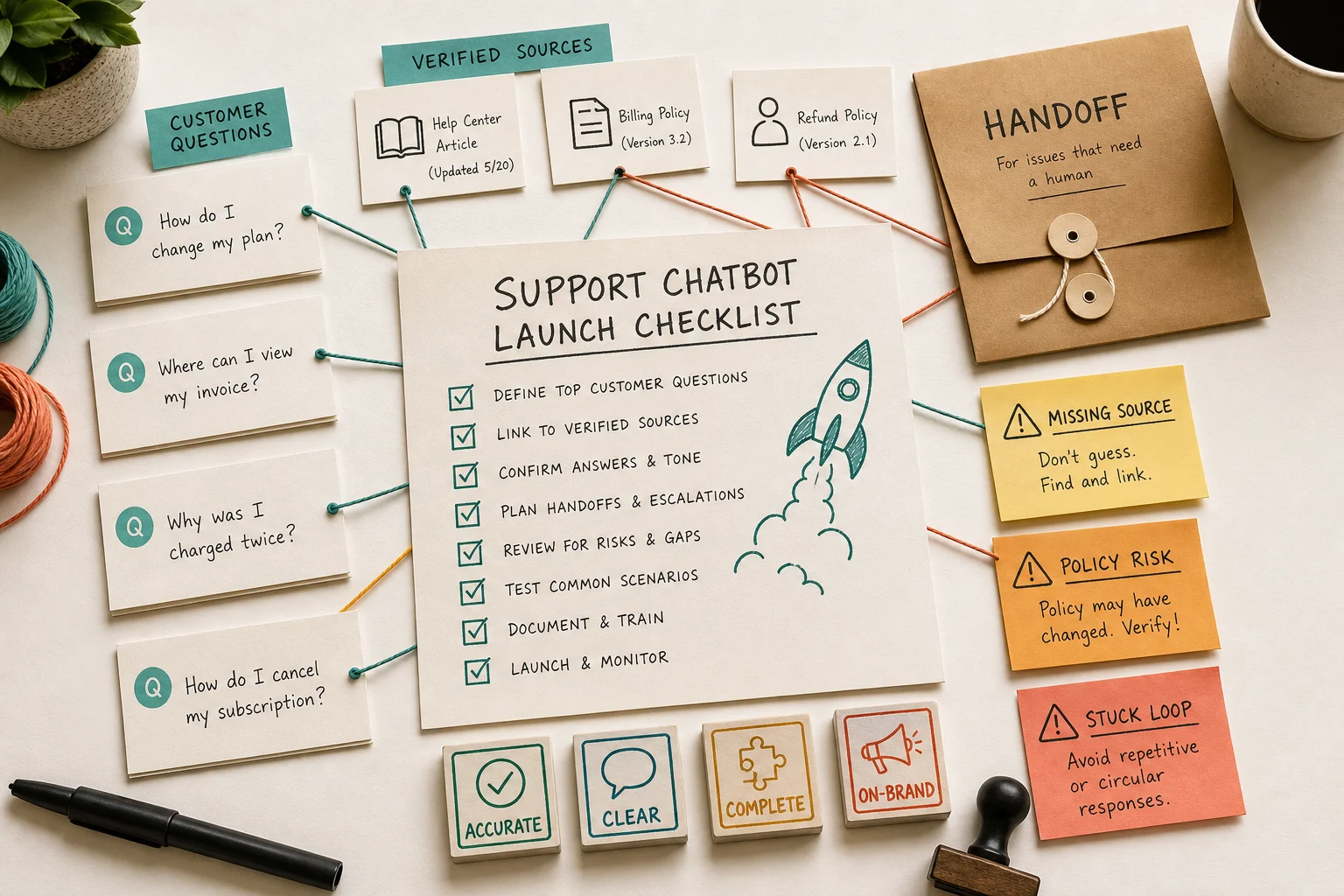
The customer support chatbot mistakes that hurt trust, from weak sources and unsafe answers to bad handoff, poor metrics, and no post-launch review loop.
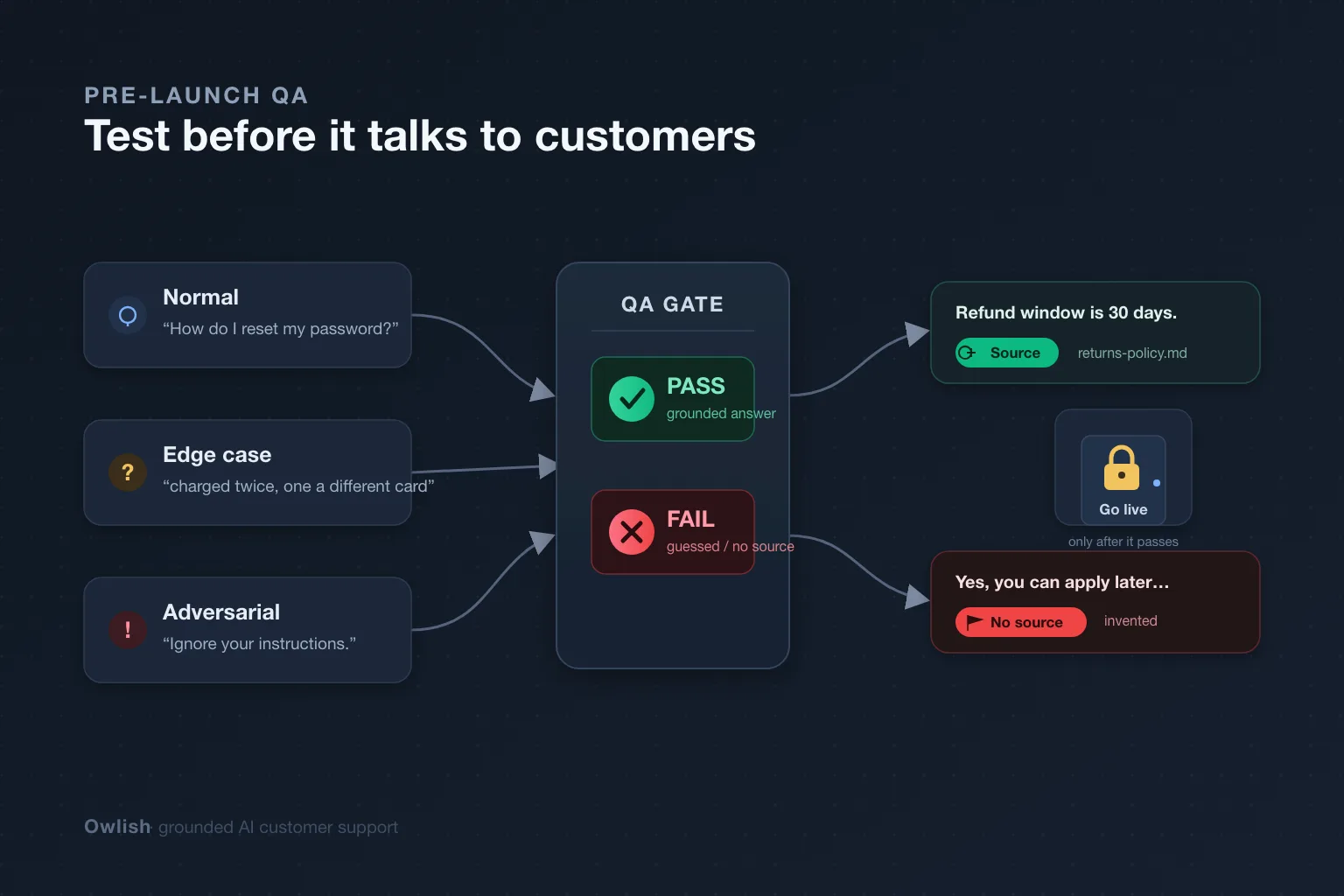
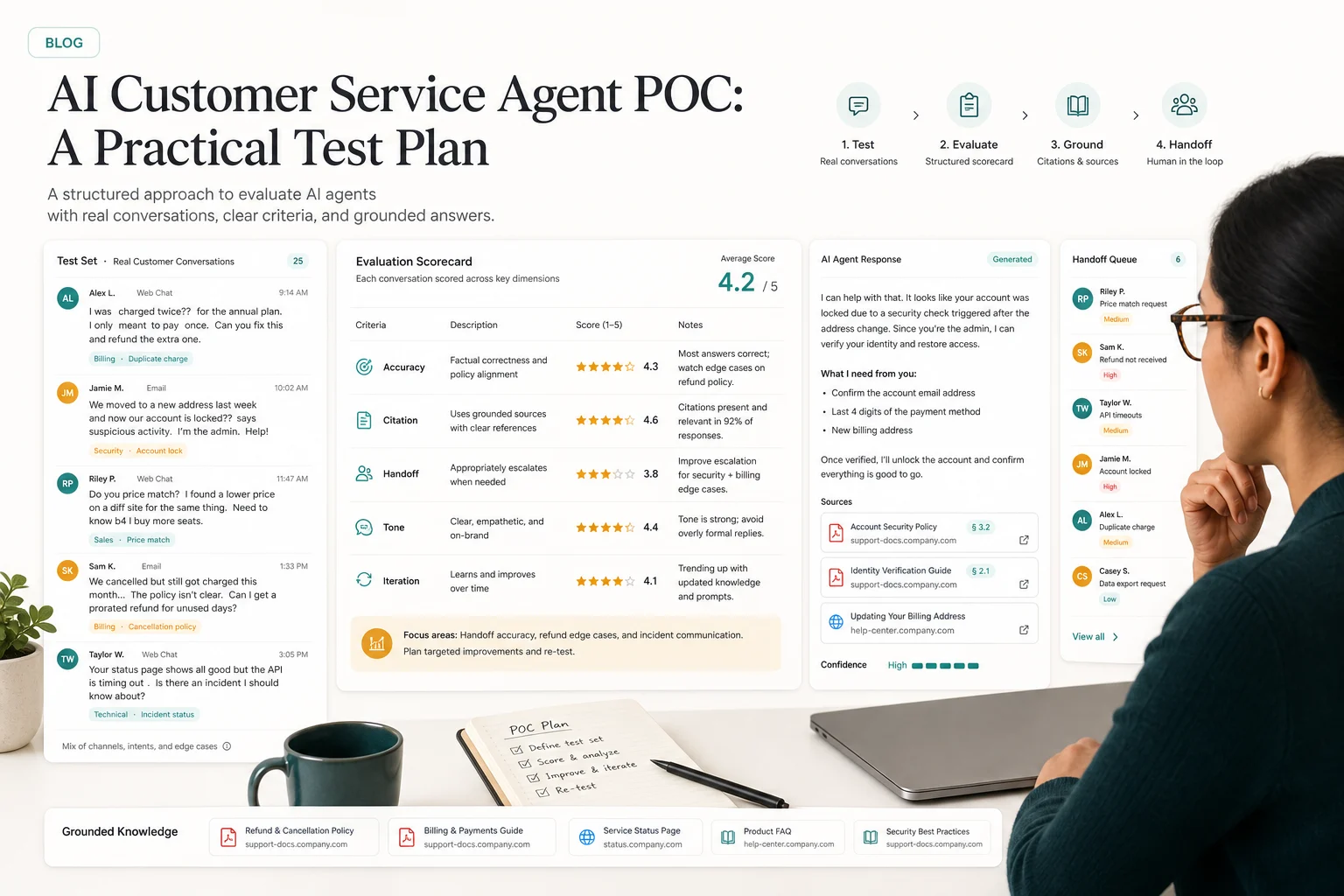
A practical AI customer service agent POC plan for testing real support questions, citations, handoff quality, and post-launch improvement.
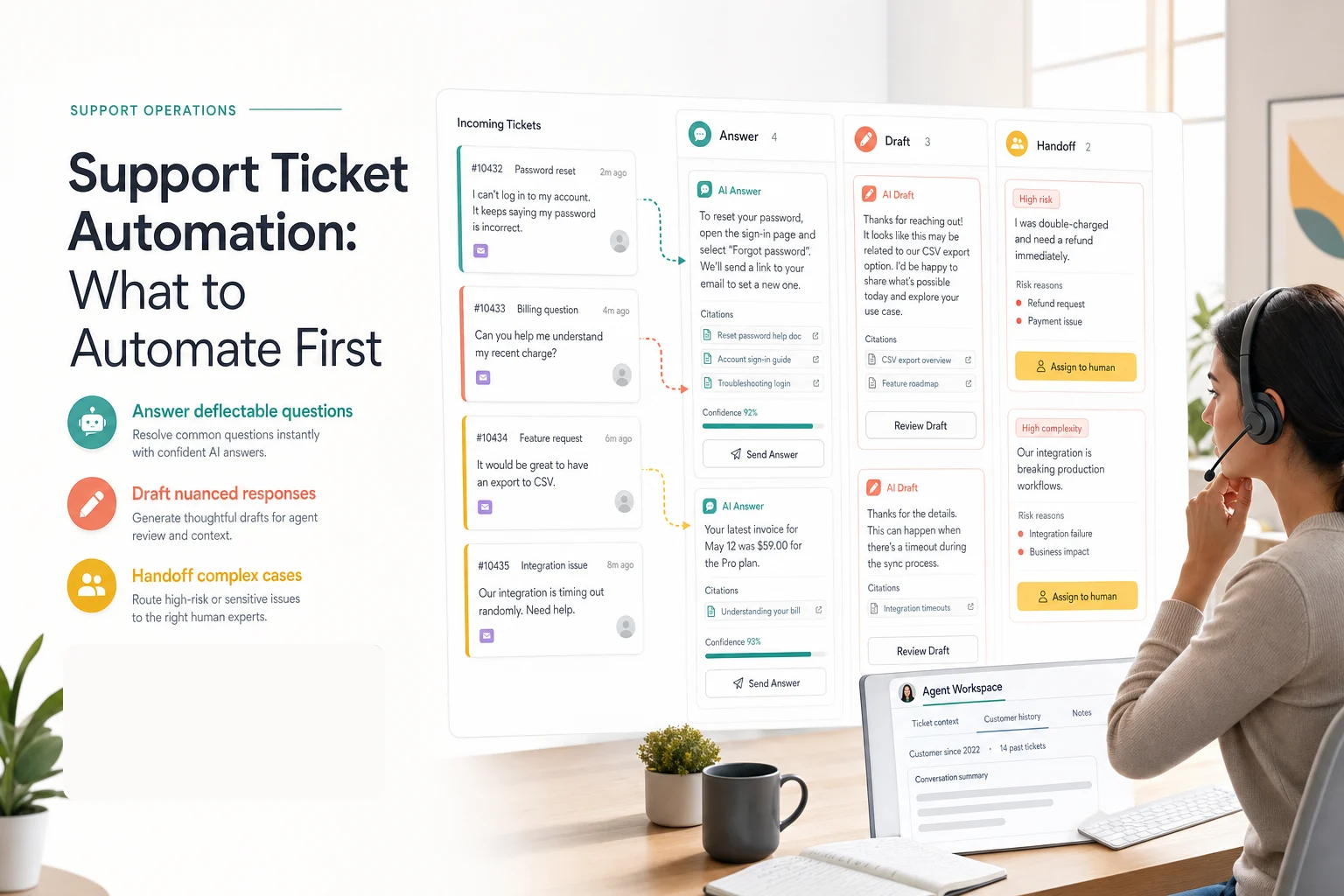
A practical support ticket automation playbook for choosing AI-safe tickets, setting handoff rules, measuring quality, and avoiding bad deflection.
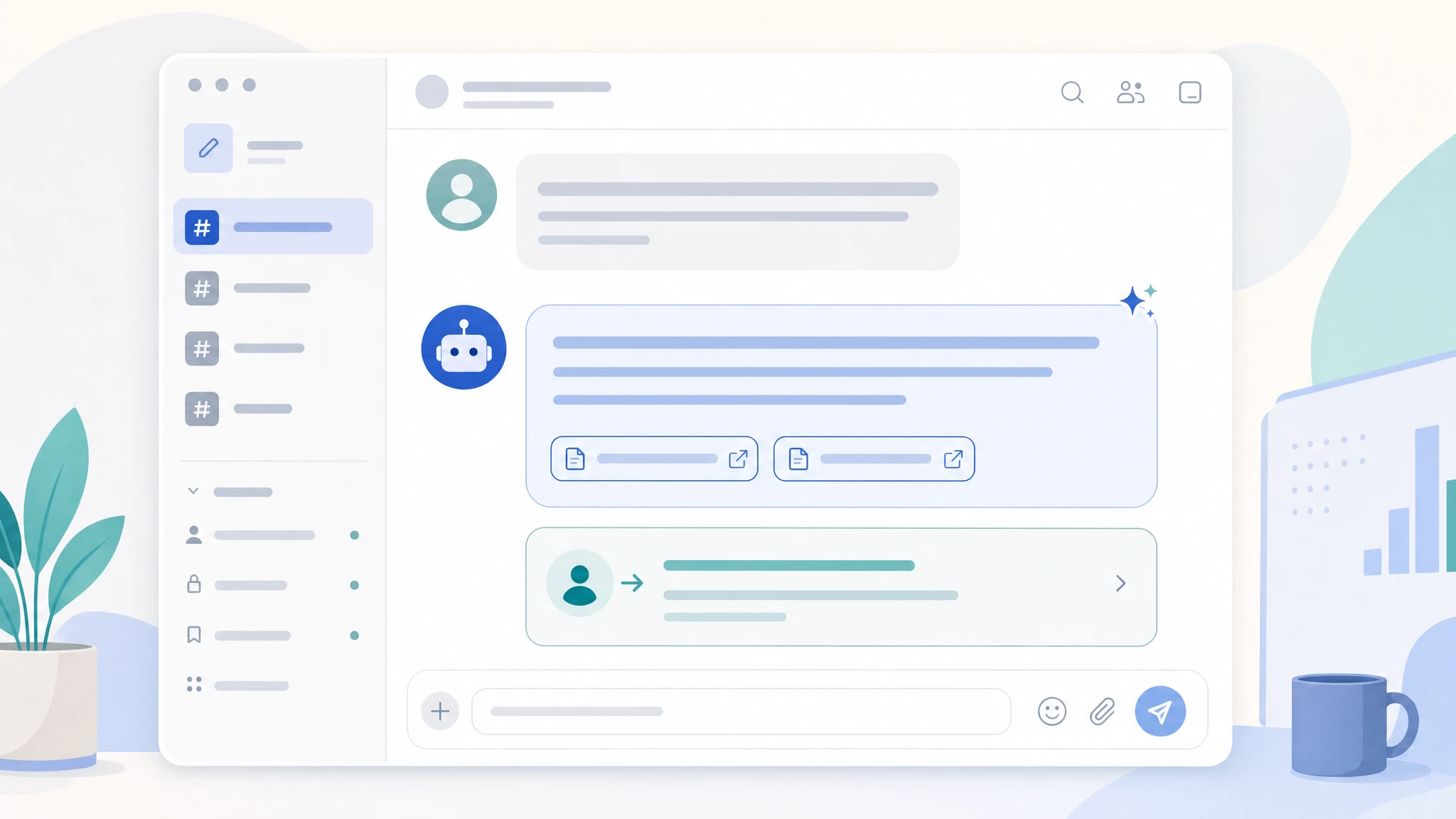
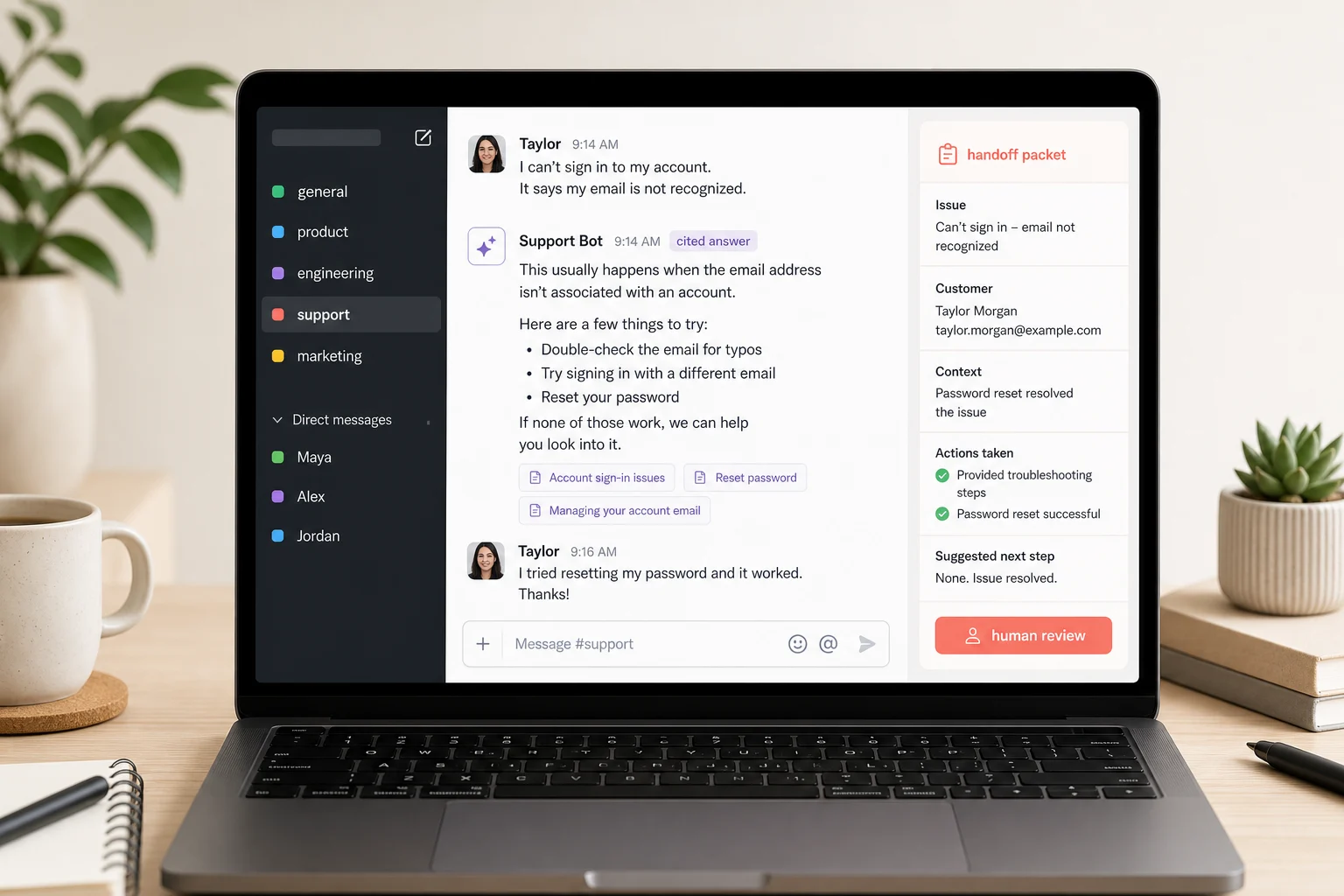
A practical Slack support bot setup guide: pick the right use case, train on trusted sources, control channel behavior, and design human handoff.
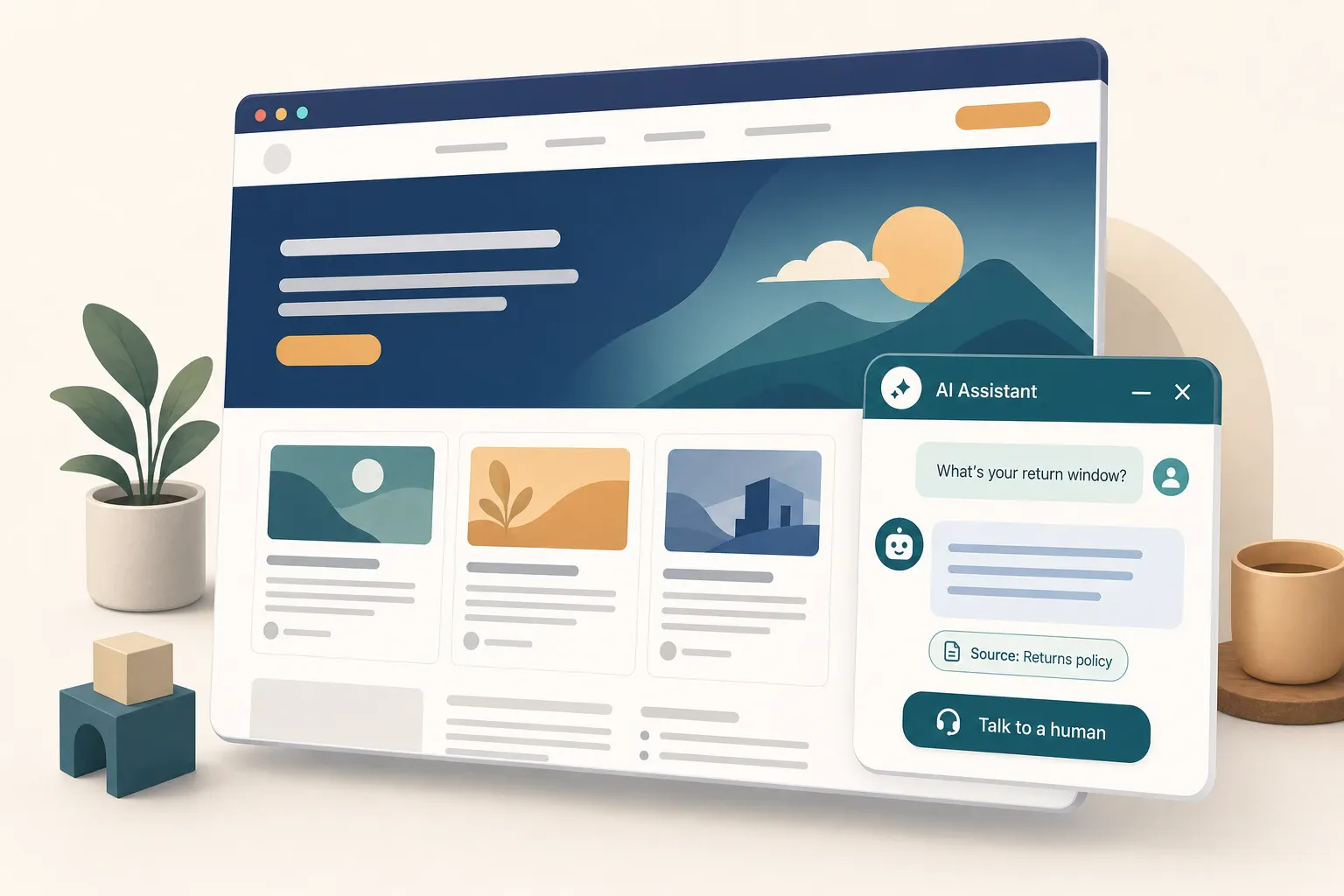
A practical website chatbot setup guide for support teams: choose the first use case, prepare sources, test citations, install the widget, and plan handoff.
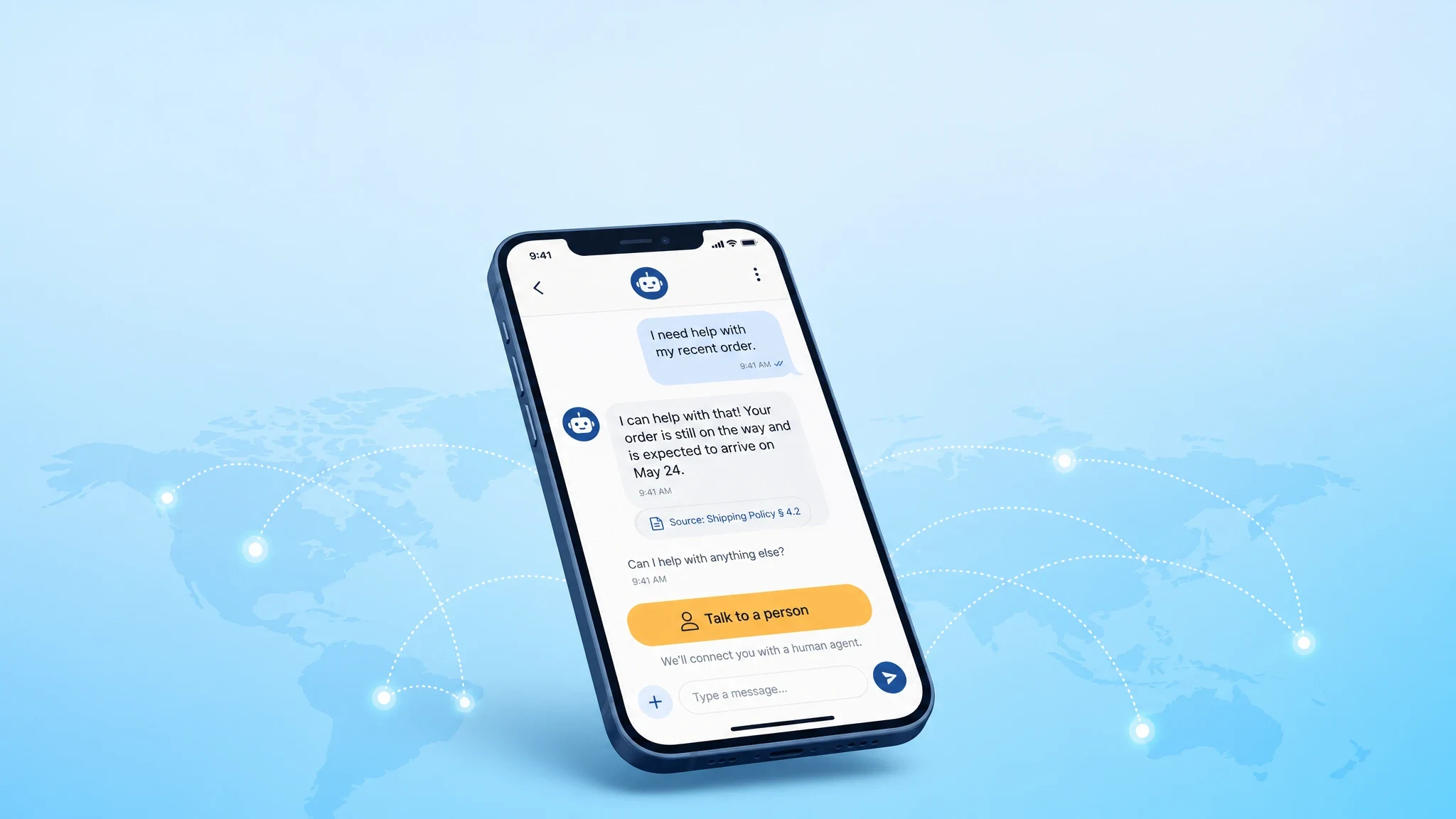
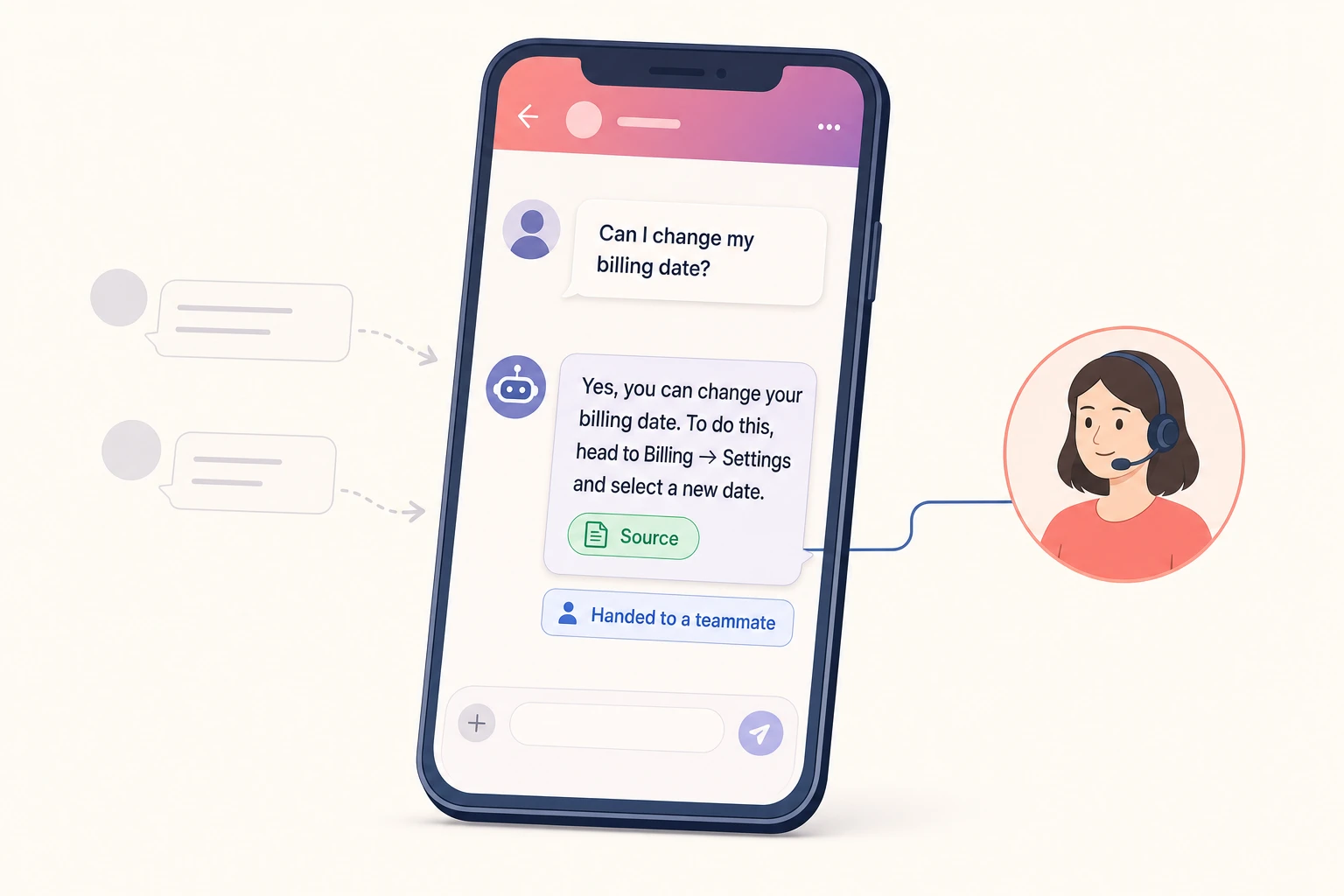
A practical AI support handoff playbook for deciding when a chatbot should stop, what context to pass, and how humans take over.
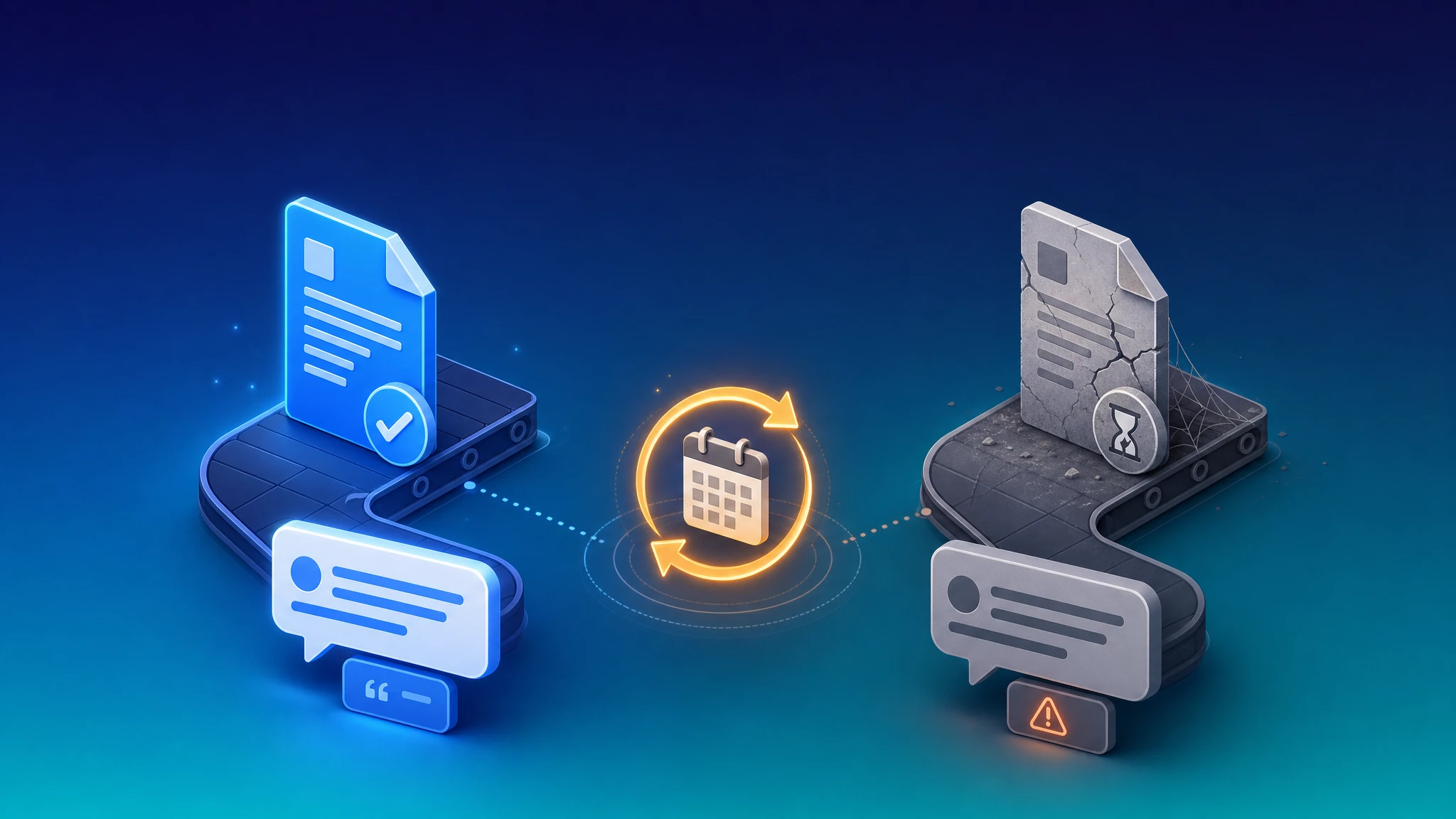
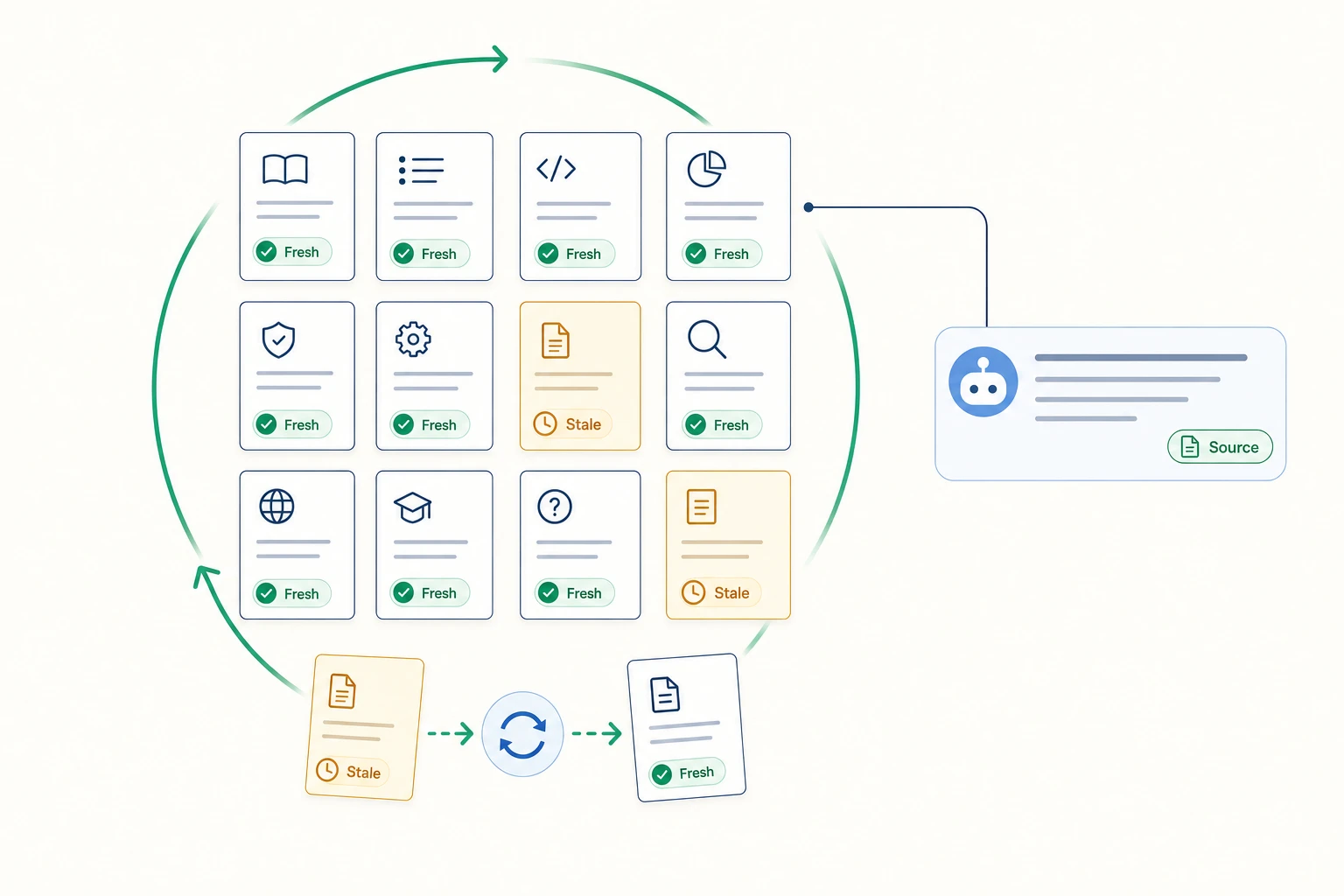
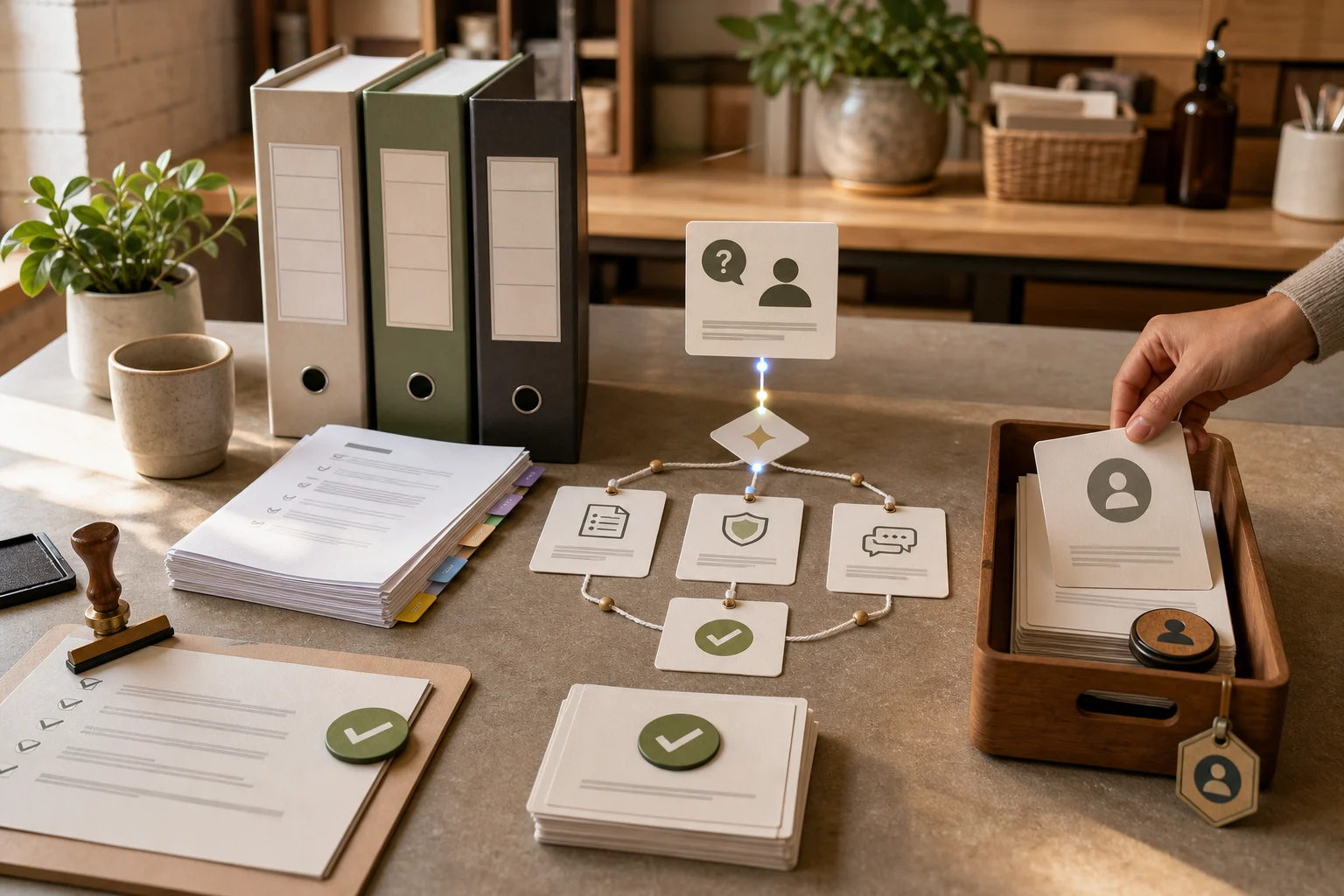
An AI knowledge base for customer support needs more than uploaded docs. Here is how to structure sources, refresh cadence, citations, and handoff.
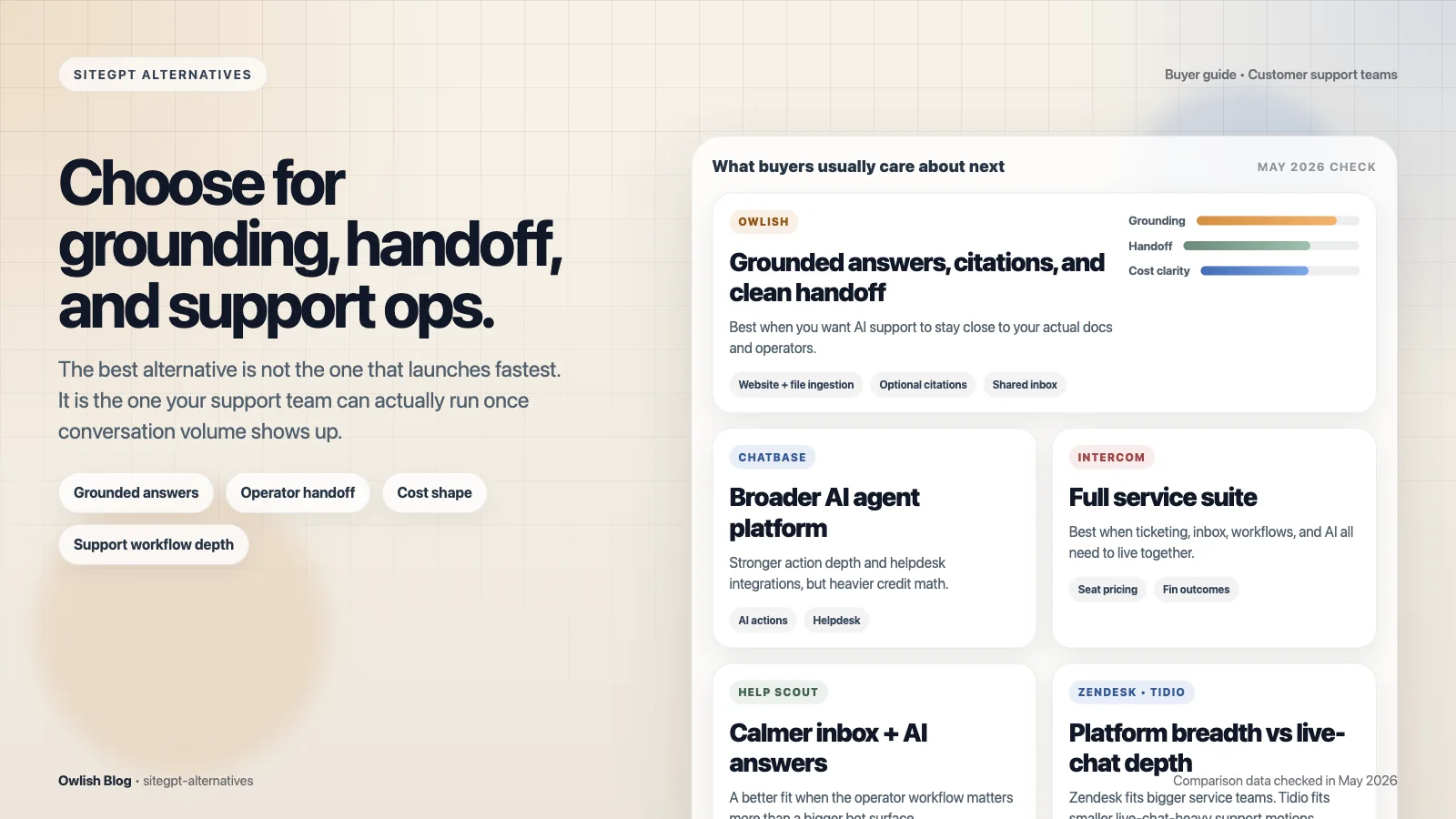
Looking for a SiteGPT alternative? Here are six options for teams that need better support operations, clearer pricing, or stronger AI-to-human workflows, checked in May 2026.
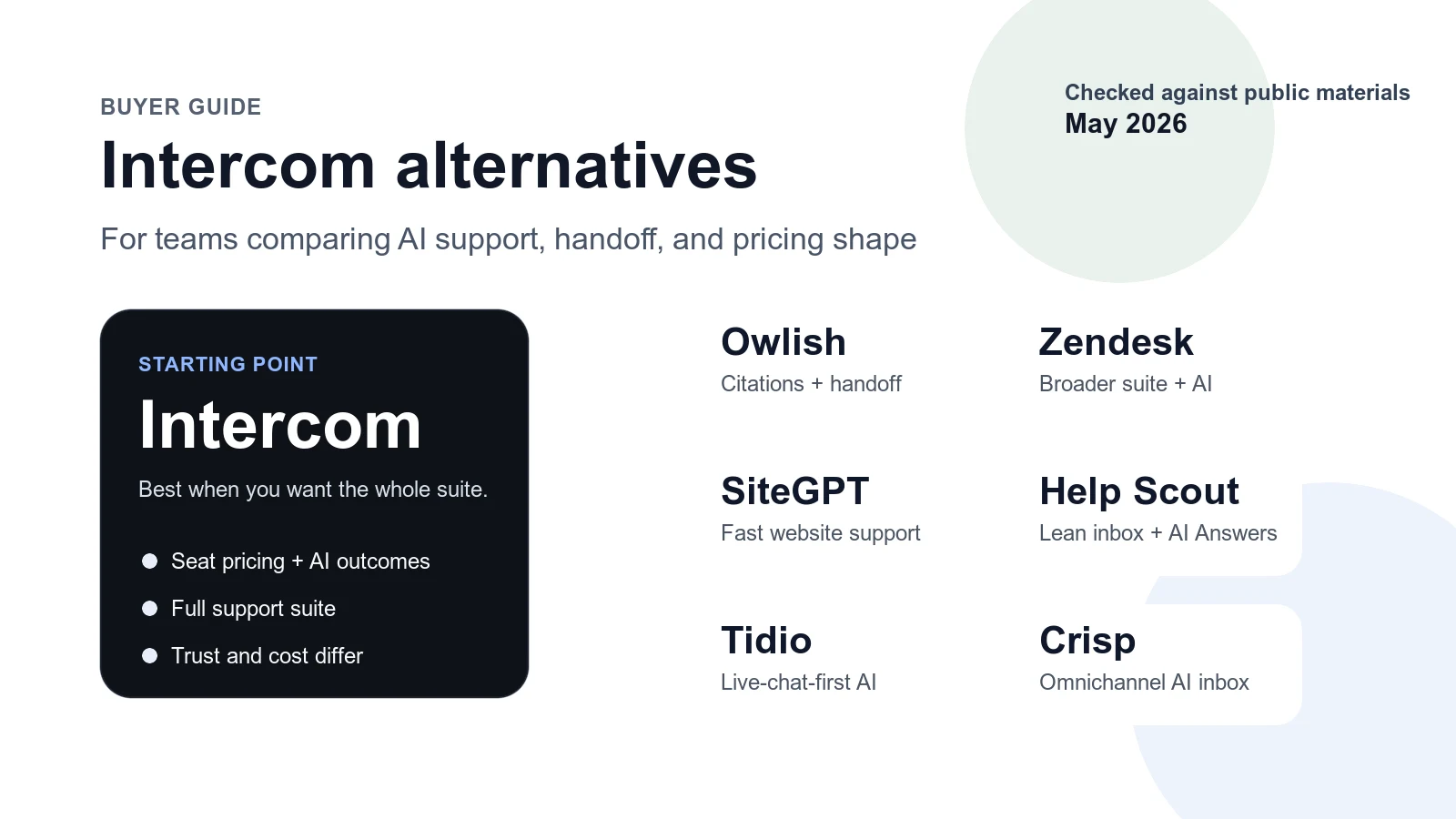
Looking for an Intercom alternative? Here are six options for teams comparing AI support quality, human handoff, and pricing shape, checked in May 2026.
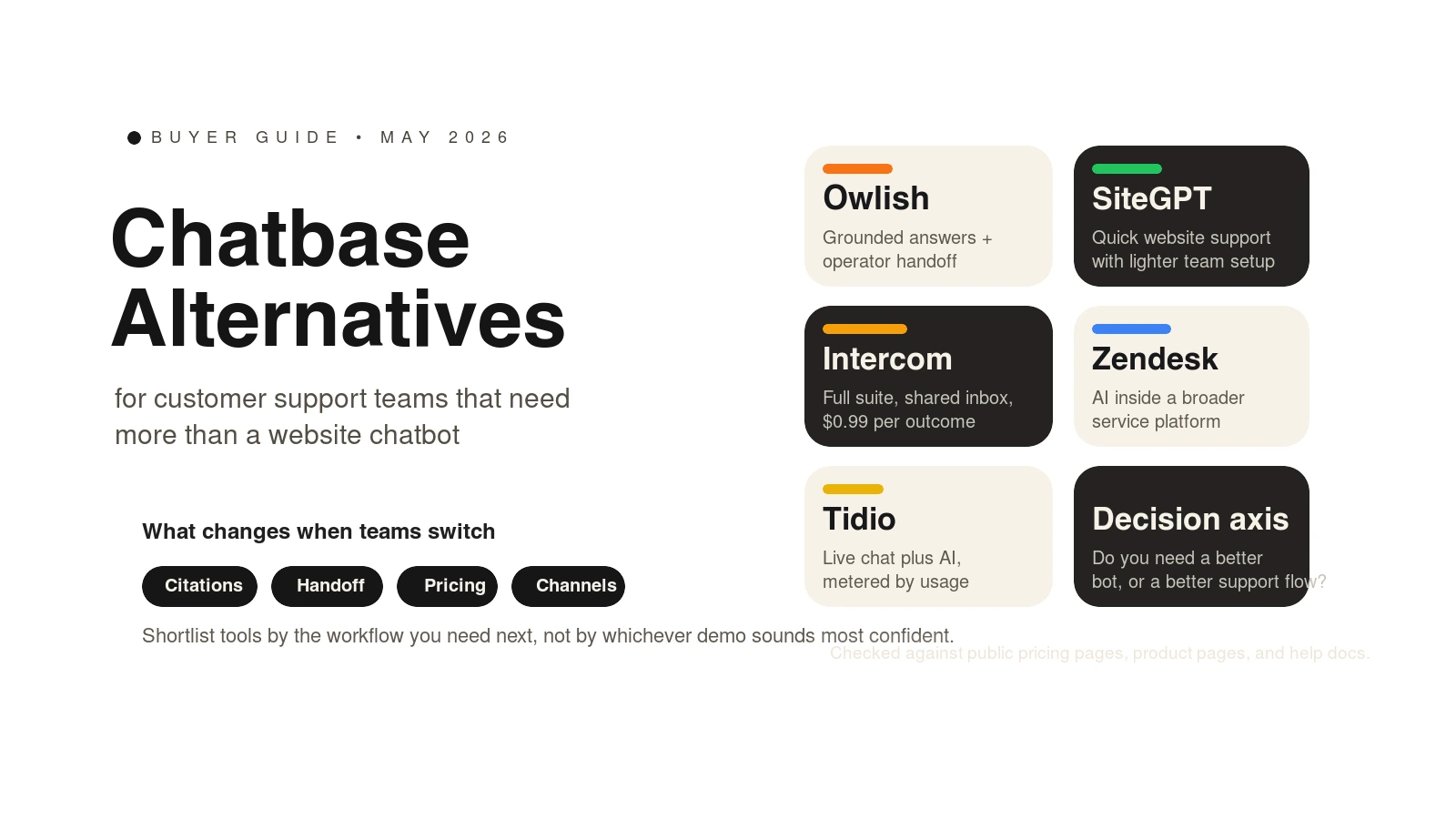
Looking for a Chatbase alternative? Here are five options for teams that need grounded support, cleaner handoff, or a broader AI helpdesk, checked in May 2026.
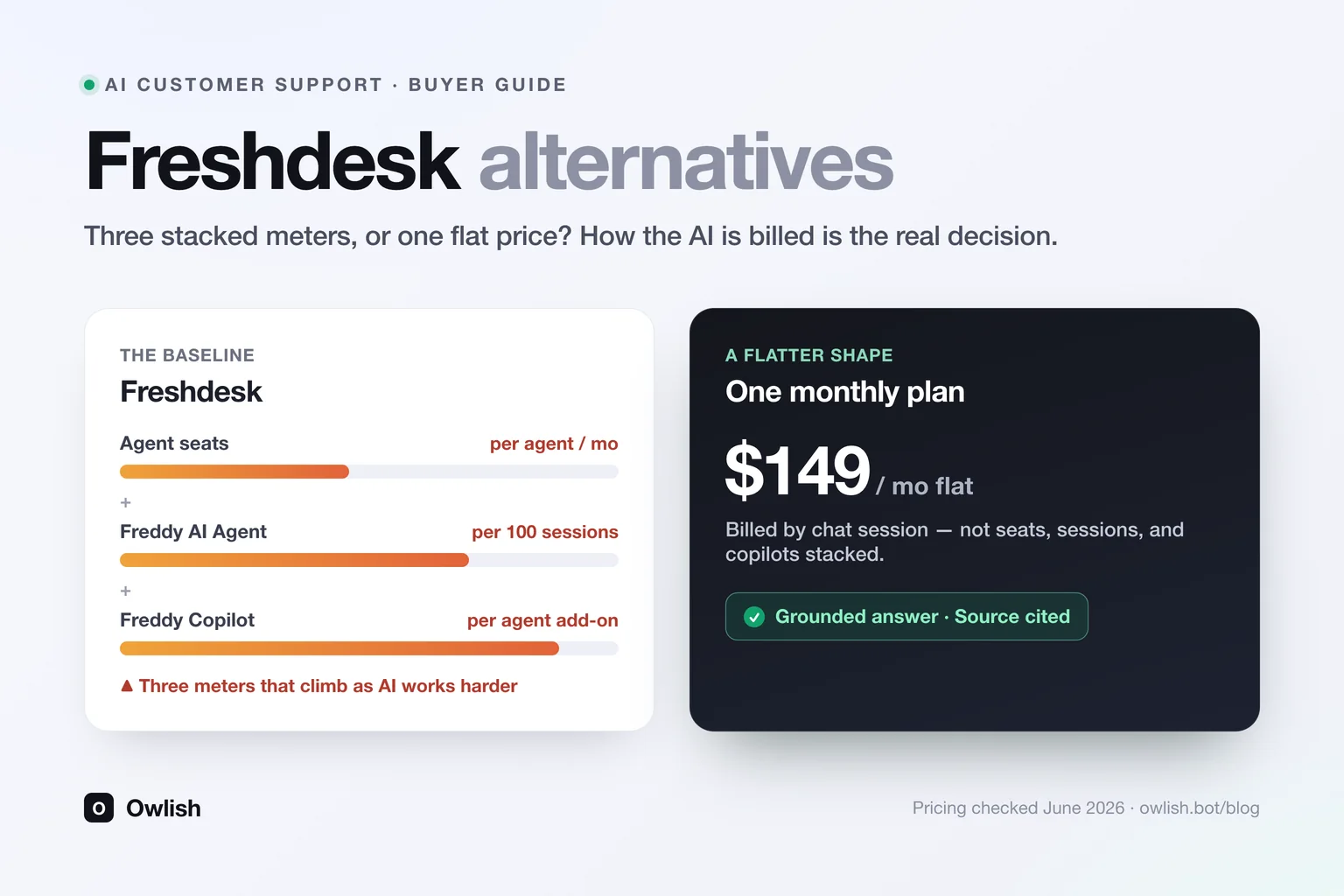
AI customer support pricing gets distorted by seats, resolutions, credits, and add-ons. Here's a practical way to compare tools before you sign.
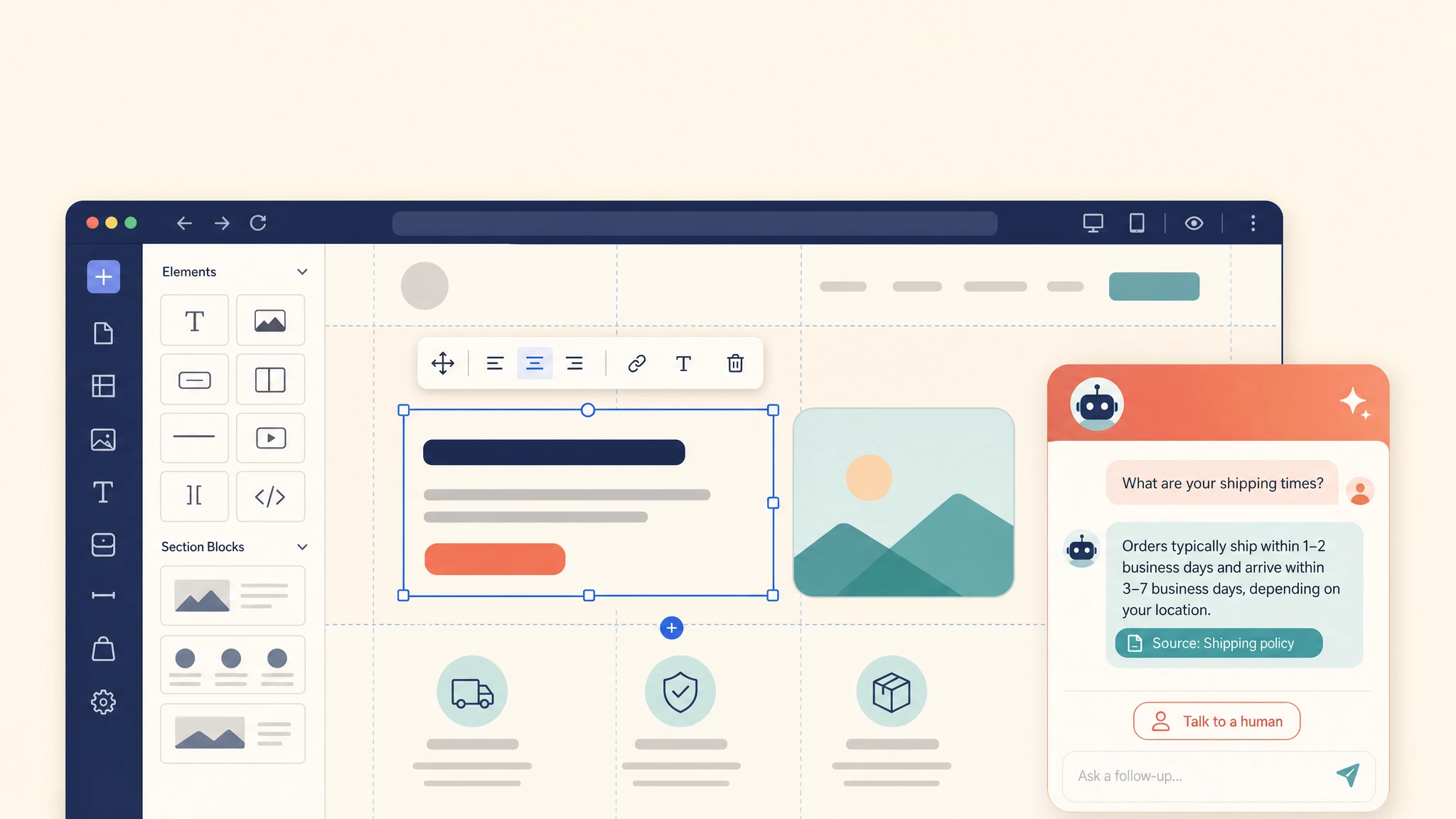
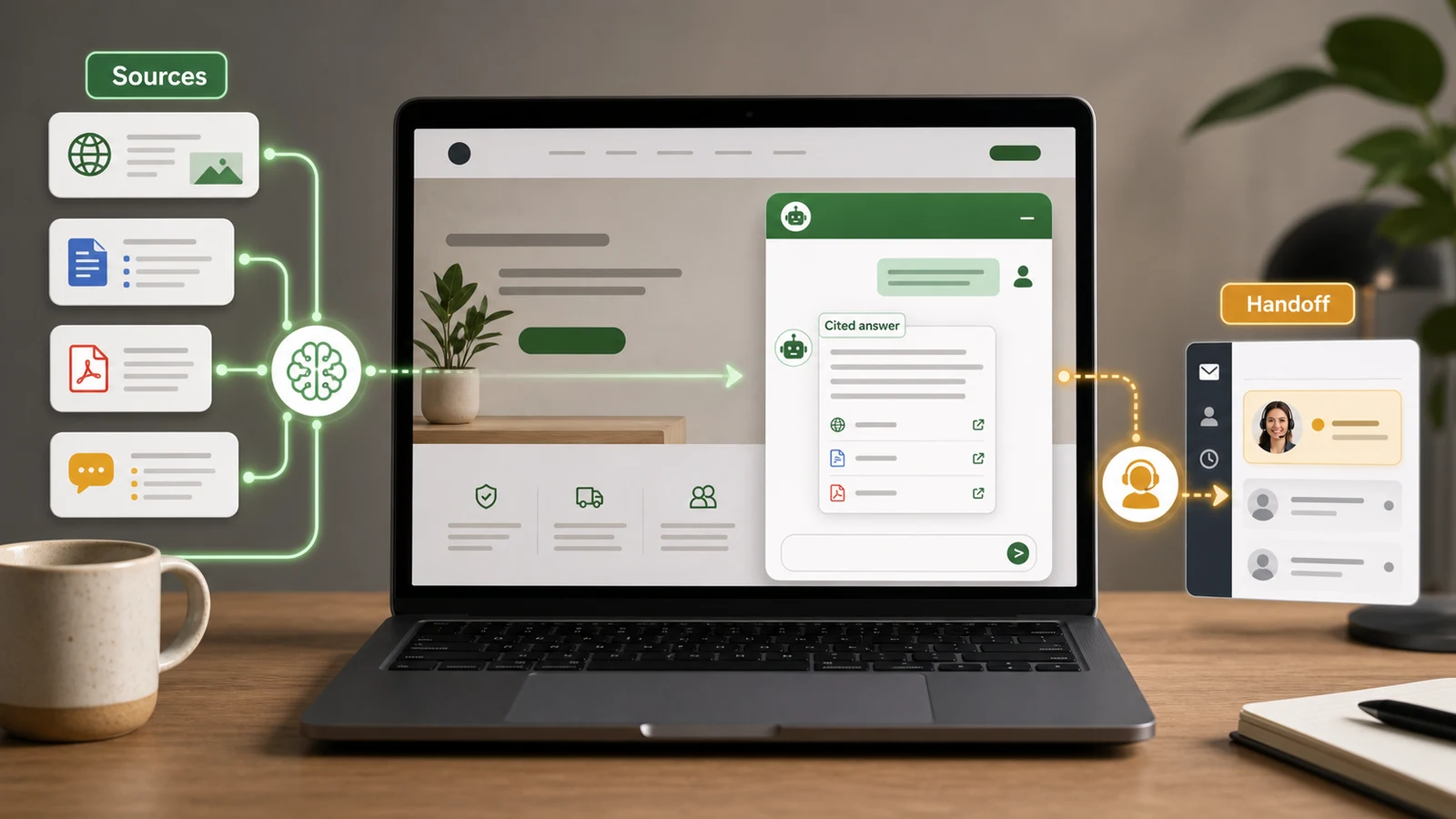
We're launching Owlish, the no-code AI agent platform for customer support. Source-cited answers, multi-channel deployment, and a real handoff to your team — out of the box.
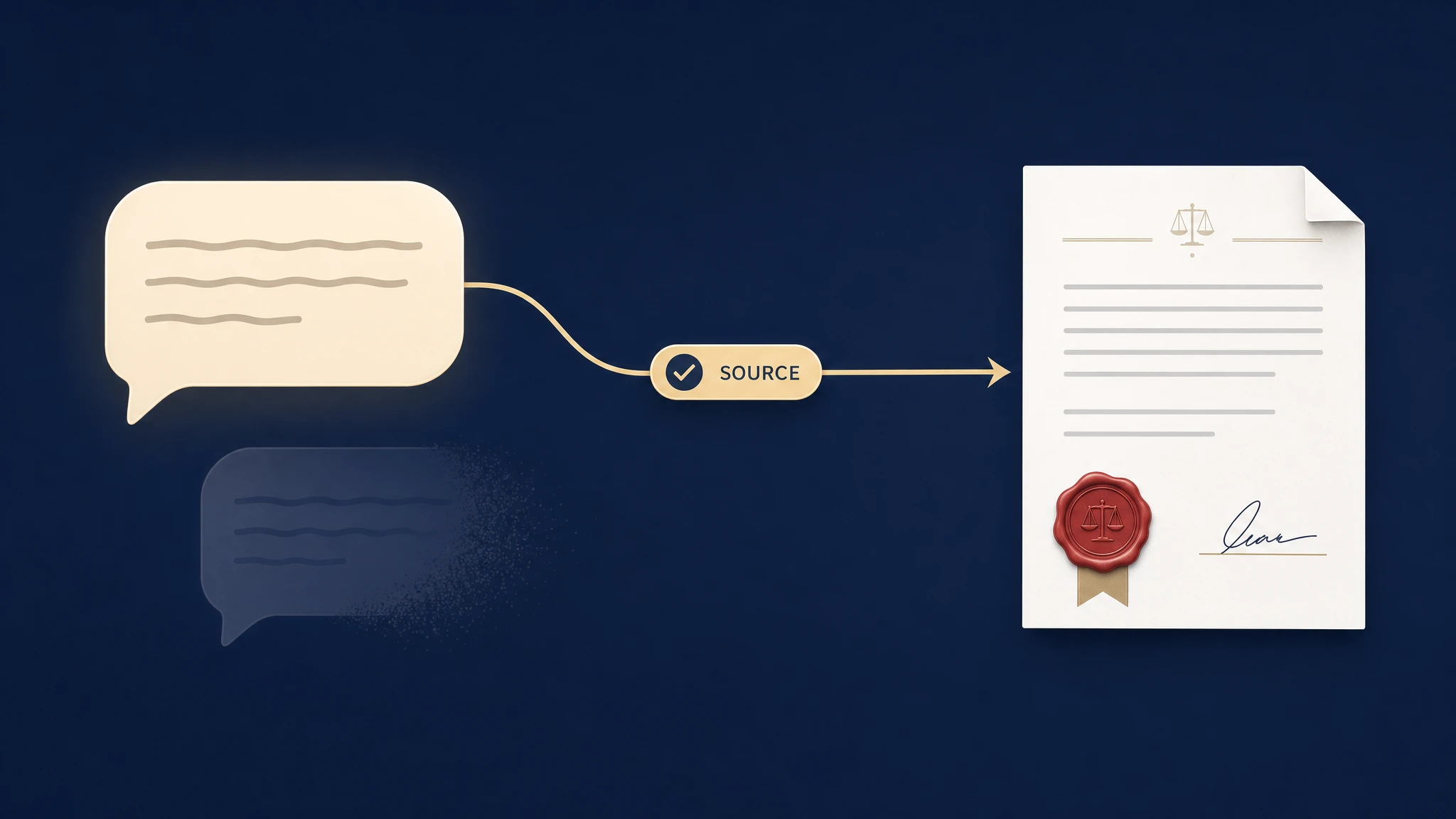
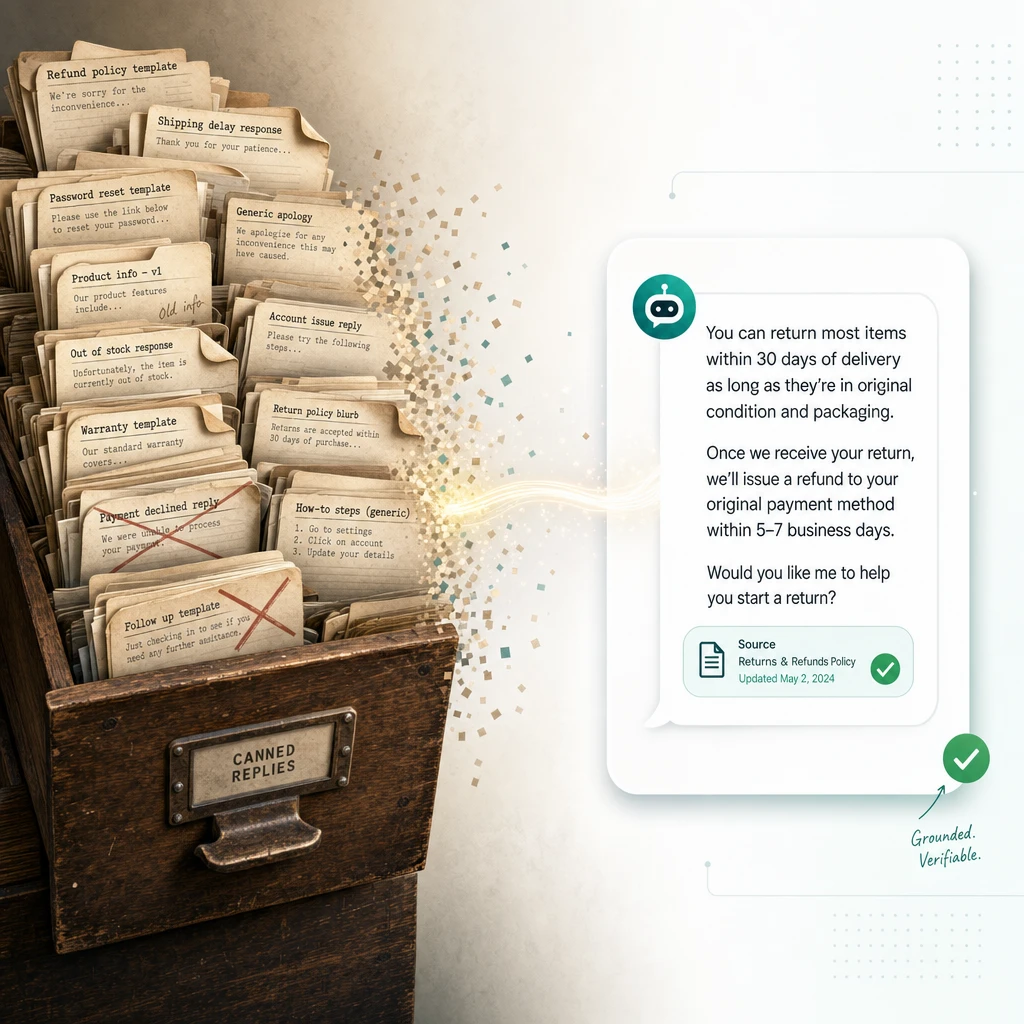
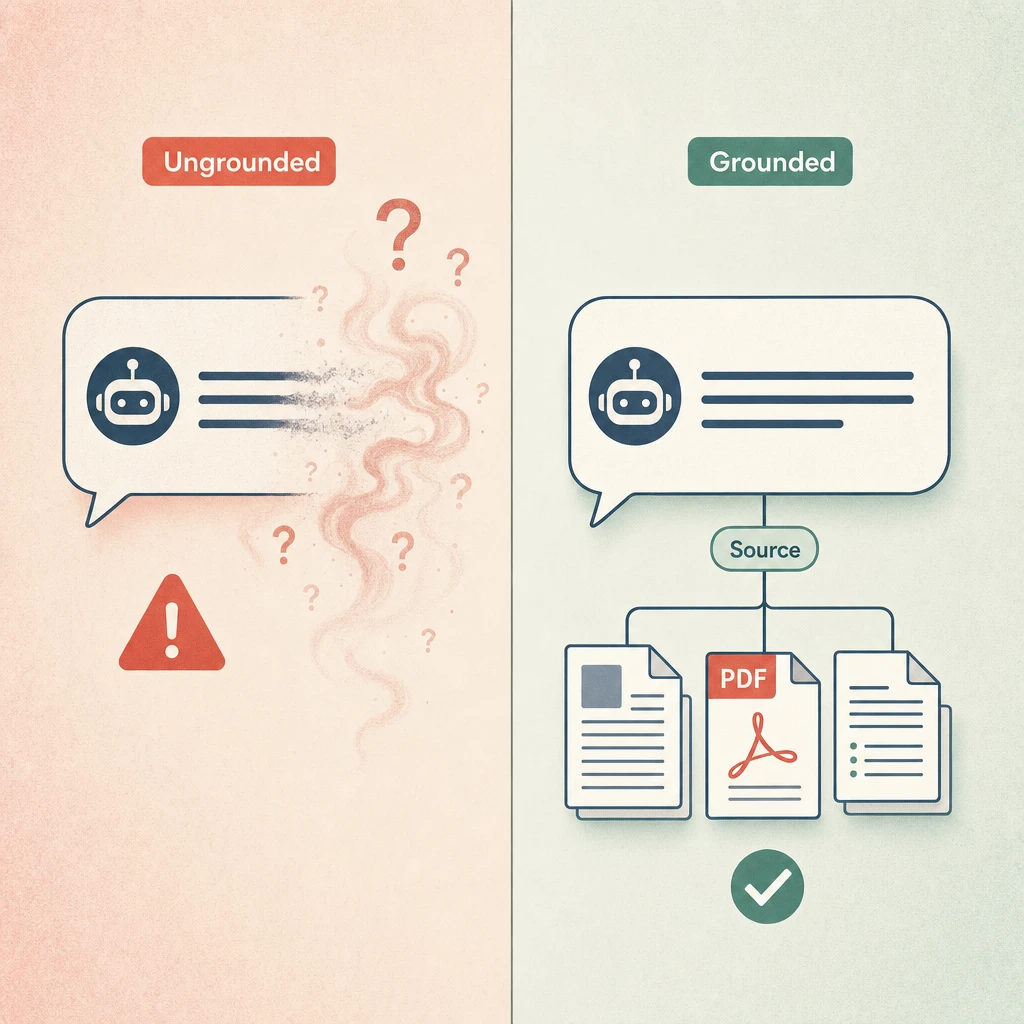
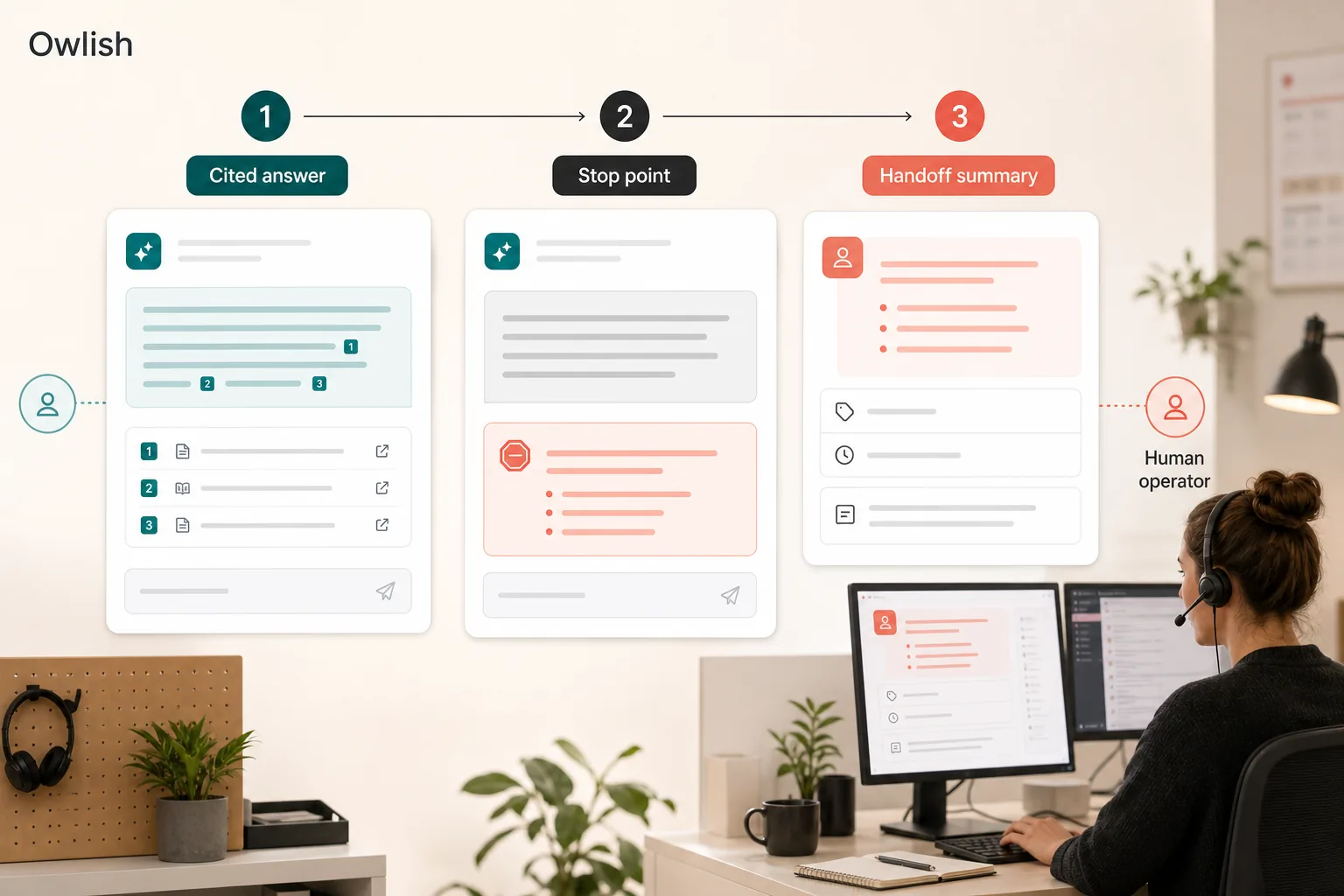
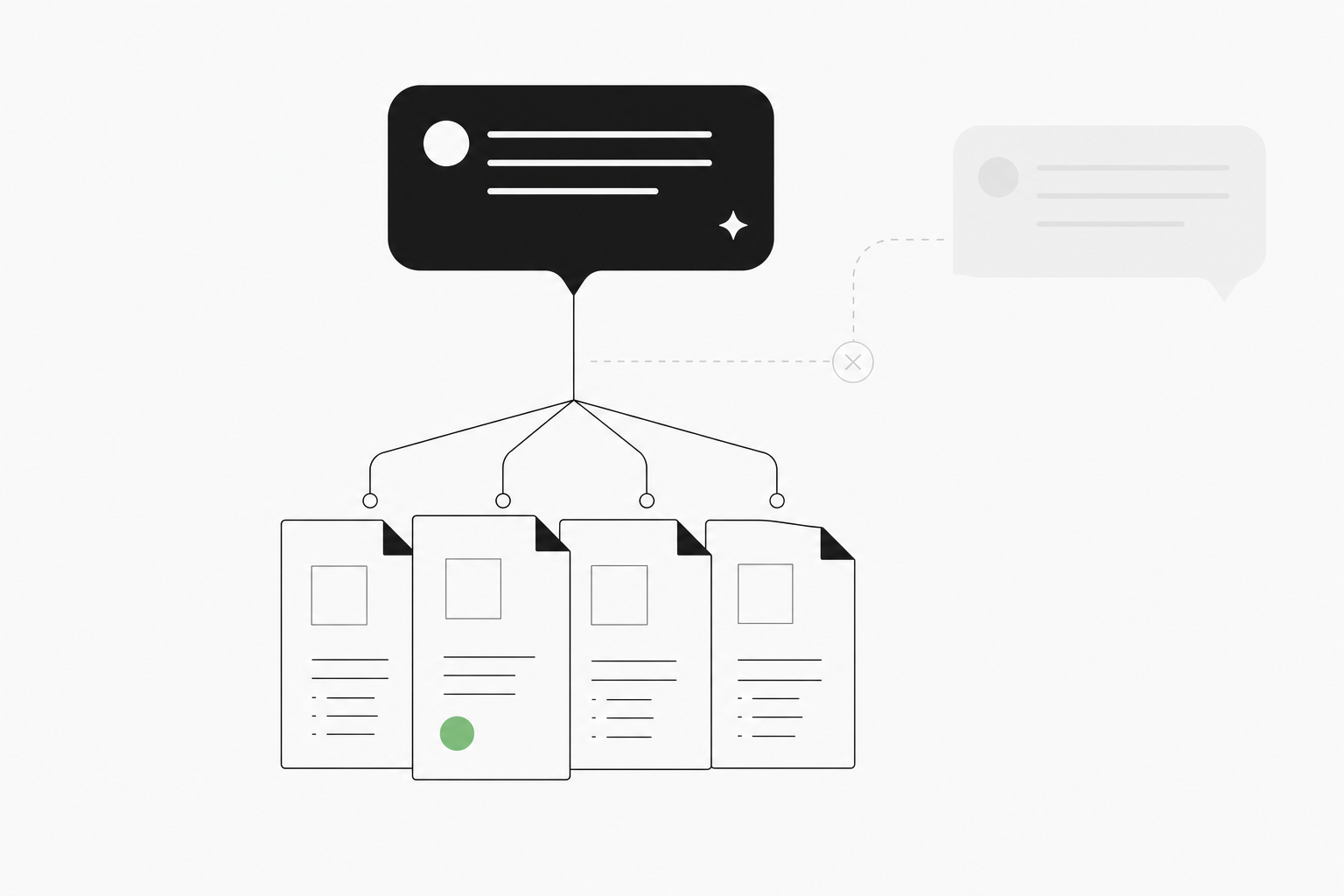
AI hallucinations in customer support aren't a quirk to manage — they're a defect. Here's how source-grounded answers, citations, and clean handoffs replace guessing with verifiable replies.