Drift Alternatives (2026): Where to Go Now That Drift Is Being Sunset
Clari + Salesloft confirmed in March 2026 that Drift is being wound down, with 1mind named the exclusive successor. Six alternatives for the different jobs Drift did — sales chat, support chat, and everything in between — checked against public sources in July 2026.

If you built your website chat around Drift, it is time to move: Clari + Salesloft confirmed in March 2026 that Drift is being sunset, with a sales-focused startup called 1mind named as the exclusive successor. That successor is not built for most of what people actually used Drift for.
This guide is for anyone with Drift on their site trying to figure out what replaces it. The honest answer is “it depends which job Drift was doing for you” — qualifying sales leads is a different problem from answering customer questions, and the tools below split cleanly along that line. Owlish is our product, so this is not neutral editorial, but the tradeoffs hold even if you never pick it.
The short list, if you want the answer first
Comparison data was checked against public vendor pages in July 2026 and may change — confirm current numbers on each linked page. Drift itself is included as the baseline you’re moving away from.
| Tool | Best for | Key strengths | Limitations | Pricing note (July 2026) |
|---|---|---|---|---|
| Drift (sunsetting) | No one, going forward | Was a mature conversational-marketing chat widget | Actively being wound down; new R&D has stopped | Not accepting new customers in the normal sense — existing accounts are being referred to 1mind |
| 1mind | Enterprise sales teams that want Drift’s official successor | Photorealistic AI “digital teammates” for demos, objection handling, closing | Sales/pipeline tool, not a support answering layer; no public pricing | Sales-led only; third-party estimates put contracts at $100K+/year — confirm directly with 1mind |
| Owlish | Teams whose Drift widget mostly answered customer and pre-sales questions | Website/PDF/doc ingestion, source citations, human handoff, no-code, flat session pricing | Not a sales-qualification or ABM tool; no visitor de-anonymization or intent data | Free; Starter $49/mo monthly or $39/mo annual; Growth $149/mo monthly or $119/mo annual; Scale $449/mo monthly or $359/mo annual |
| HubSpot (Service Hub / chat) | Teams already on or considering the HubSpot CRM | Live chat on every tier, chat lives alongside marketing/sales data, Breeze AI agent | AI agent gated to Pro/Enterprise and billed per resolution on top of seats; onboarding fees | Free (2 seats); Starter $7/mo/seat annual ($20 monthly); Professional $90/mo/seat annual ($100 monthly) + $1,500 onboarding; Enterprise custom + $3,500 onboarding. Breeze Customer Agent $0.50/resolved conversation, Pro/Enterprise only |
| Fin (formerly Intercom) | Teams that want the most capable AI agent, budget aside | Strong multi-turn AI agent, mature messenger, deep workflows | Per-resolution AI plus seat costs add up; now owned by Salesforce | Fin $0.99/outcome (50/mo minimum standalone); Intercom seats from ~$29/seat/mo; Copilot ~$29/agent/month annual ($35 monthly) |
| Zendesk | Teams that want the deepest enterprise help desk | Broad channel coverage, mature routing, AI agents bundled into Suite | Ticketing-first, not a lightweight sales-chat replacement | Suite Team $55/agent/mo, Suite Professional $115/agent/mo (annual); Copilot add-on $50/agent/mo; Enterprise quoted |
| Crisp | Small teams that want a like-for-like lightweight chat widget | Flat per-workspace pricing, omnichannel inbox, no-code AI agent builder (“Hugo”) | AI usage capped by included credits per tier; deepest AI on the pricier plans | Free (2 seats, no AI credits); Mini $45/mo (4 seats, ~90 AI conversations); Essentials $95/mo (10 seats, ~450); Plus $295/mo (20+ seats, ~1,350) |
What actually happened to Drift
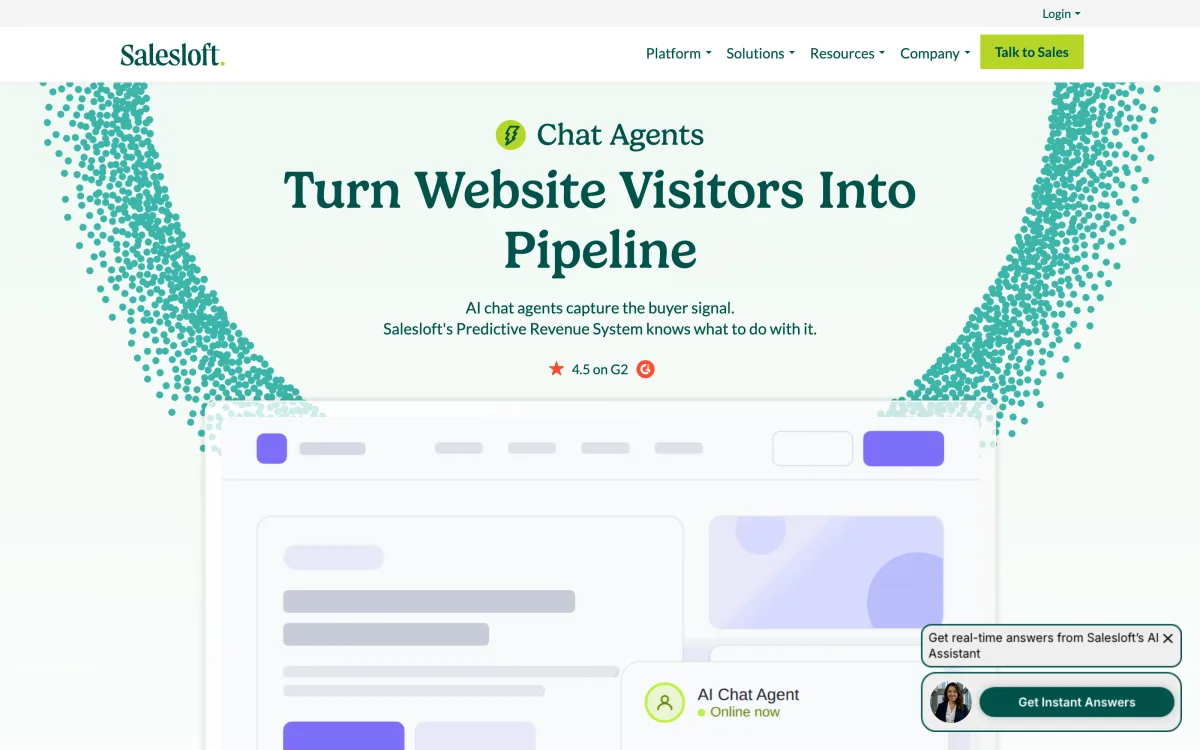
Clari + Salesloft — Drift’s owner since 2024 — announced on March 5, 2026 that it is “announcing the gradual sunset of its Drift conversational marketing solution” and named the sales-AI company 1mind as the exclusive successor it will refer existing Drift clients to (Salesloft newsroom). No hard shutdown date was published. As of this writing, Drift’s own marketing pages have already folded into Salesloft’s site: drift.com now redirects to Salesloft’s Chat Agents product page rather than a standalone Drift site.
The sunset caps a rough stretch for the product. In August 2025, attackers used stolen OAuth tokens from Drift’s integration with Salesforce to reach connected customer environments at scale — Cloudflare disclosed that 104 of its own API tokens and support case data were compromised through the breach (Cloudflare’s incident response post). Salesloft took Drift offline temporarily the following month while it investigated. None of that caused the sunset by itself — Salesloft’s stated reason is a strategic shift toward its own Predictive Revenue System — but it’s part of the backdrop if you’re wondering why a $500 million acquisition (Salesloft bought Drift in February 2024) got wound down eighteen months later.
Why “Drift alternative” isn’t one search
Drift did two different jobs depending on who was using it, and that matters more than any feature checklist:
Sales and pipeline job. For a lot of Drift customers, the widget was a lead-qualification and meeting-booking tool — capture a website visitor, ask qualifying questions, route a hot lead to a rep, sometimes de-anonymize the visitor’s company first. This is the job 1mind is built for, and it’s the job Clari + Salesloft is explicitly steering people toward.
Support and pre-sales question job. For other teams, the same widget was just answering “does this integrate with X,” “what’s your refund policy,” or “how do I reset my password” — customer-facing Q&A, not pipeline generation. If this was your actual use case, 1mind is the wrong tool: it’s an enterprise sales product, not a grounded answering layer.
Sort yourself into one of those two buckets before picking a replacement. The rest of this guide assumes you might be either.
1mind — the official successor, if you were doing sales chat
1mind is who Clari + Salesloft is sending existing Drift customers to, so it’s worth understanding what you’re actually being pointed at. It builds “AI digital teammates” — photorealistic AI avatars intended to qualify leads, run demos, handle objections, and close deals across a website, a product, and live sales calls.
That is a materially narrower and more expensive product than Drift was for most support-adjacent users. 1mind does not publish pricing; third-party write-ups estimate enterprise contracts starting around $100,000 per year, sold through a sales-led process rather than self-serve signup — treat that figure as a third-party estimate, not a confirmed rate card, and get a real quote before assuming it applies to you.
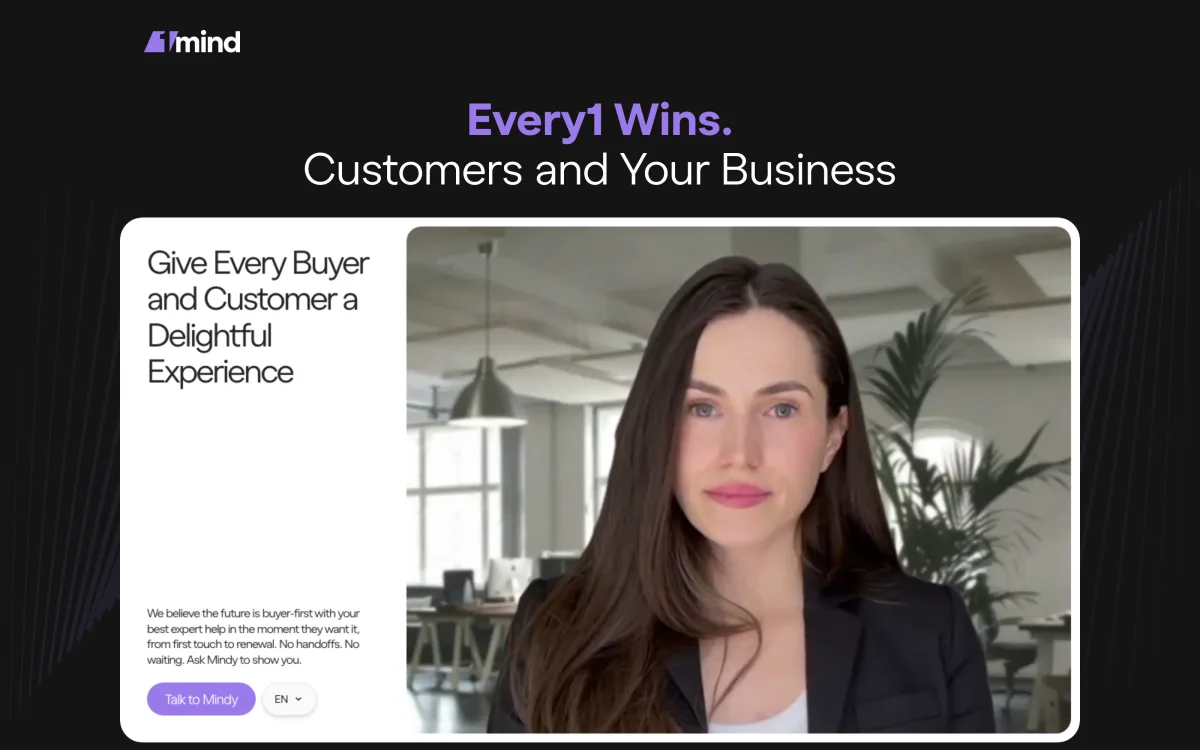
Choose 1mind only if outbound-style, high-touch sales conversations were the actual job your Drift widget did, and your deal sizes justify an enterprise sales-tool budget. For everyone else, the “official” migration path is not the right one.
Where Owlish fits, if you were doing support chat
If your Drift widget’s real job was answering customer and pre-sales questions on your website, Owlish is built for exactly that — and it is not trying to be a sales-qualification or account-based-marketing tool, so it’s worth being upfront about what it isn’t before what it is.
Here’s the shape the current public docs and pricing support:
- Ingest your real content — your website, help center, PDFs, DOCX, CSV, and FAQs — so answers come from your actual product and policy info, not a model’s guess. See the knowledge base overview.
- Show a source on each answer, so a visitor can click through and verify where a reply came from instead of taking a chatbot’s word for it. See the citations docs.
- Hand off to a shared inbox with the full transcript and sources attached, on Growth and above, when a question needs a person. See the human handoff docs.
- Run one agent across surfaces — the web widget on every plan, plus Slack, Microsoft Teams, Google Chat, WhatsApp, Instagram, Messenger, and Telegram from Growth. Check the pricing page for the current channel-by-plan breakdown.
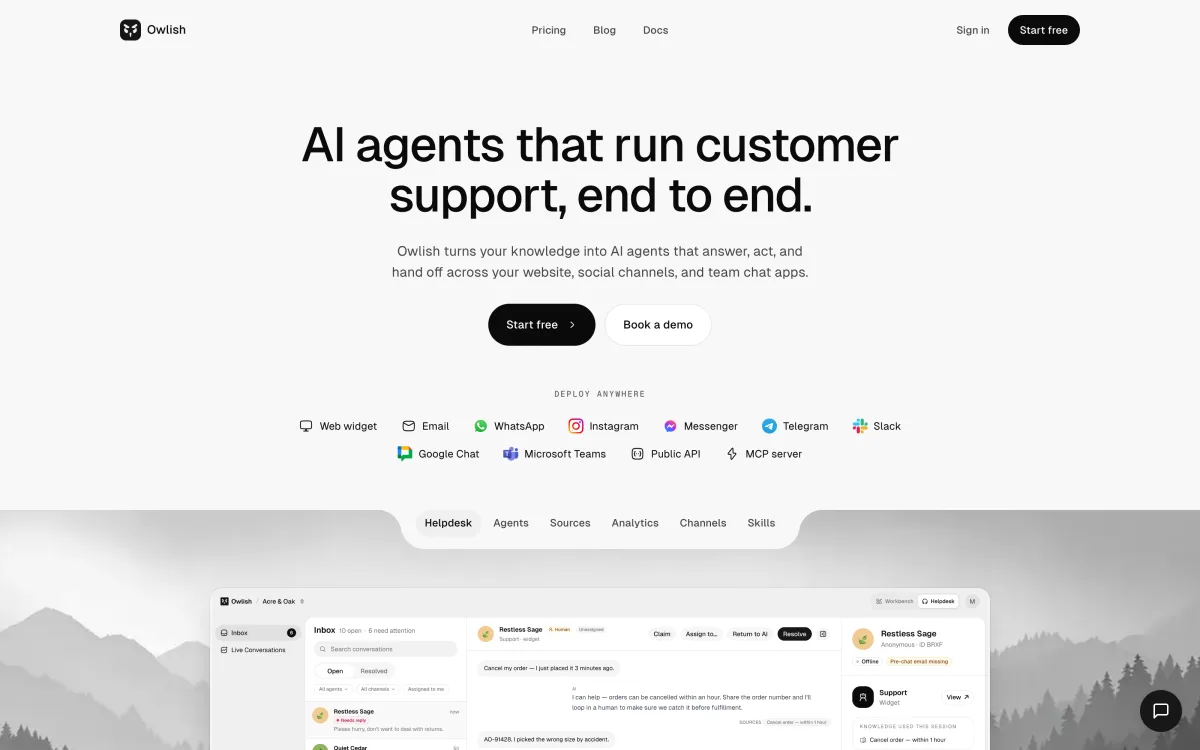
Pricing is flat and session-based rather than layered: a free plan, then Starter at $49/mo monthly or $39/mo billed annually, Growth at $149/mo monthly or $119/mo billed annually, and Scale at $449/mo monthly or $359/mo billed annually (roughly 20% off for annual billing).
Owlish is not the right replacement if what you actually need is visitor de-anonymization, intent data, outbound sequencing, or a rep-facing lead-routing tool — that was Drift’s sales-marketing side, and 1mind or a CRM-native tool like HubSpot fits that job better. Owlish replaces the “answer the visitor’s question, cite the source, escalate cleanly” half of what Drift did.
HubSpot — the CRM-native option that covers both jobs, loosely
HubSpot is the alternative that shows up most often in “Drift replacement” searches, and for a reason: it can plausibly cover both the sales-chat and support-chat jobs Drift did, because live chat sits inside the same CRM as your marketing and sales data.
Service Hub (HubSpot’s support product) has a free tier for two users, then Starter at $7/mo per seat billed annually ($20/mo monthly), Professional at $90/mo per seat billed annually ($100/mo monthly) plus a mandatory $1,500 one-time onboarding fee, and Enterprise at custom pricing with a $3,500 onboarding fee (HubSpot Service Hub pricing). Live chat is available on every tier. The AI layer — Breeze Customer Agent — is priced separately at $0.50 per resolved conversation (50 HubSpot Credits) and is only available on Professional and Enterprise, where it runs across live chat, email, WhatsApp, and Facebook Messenger.
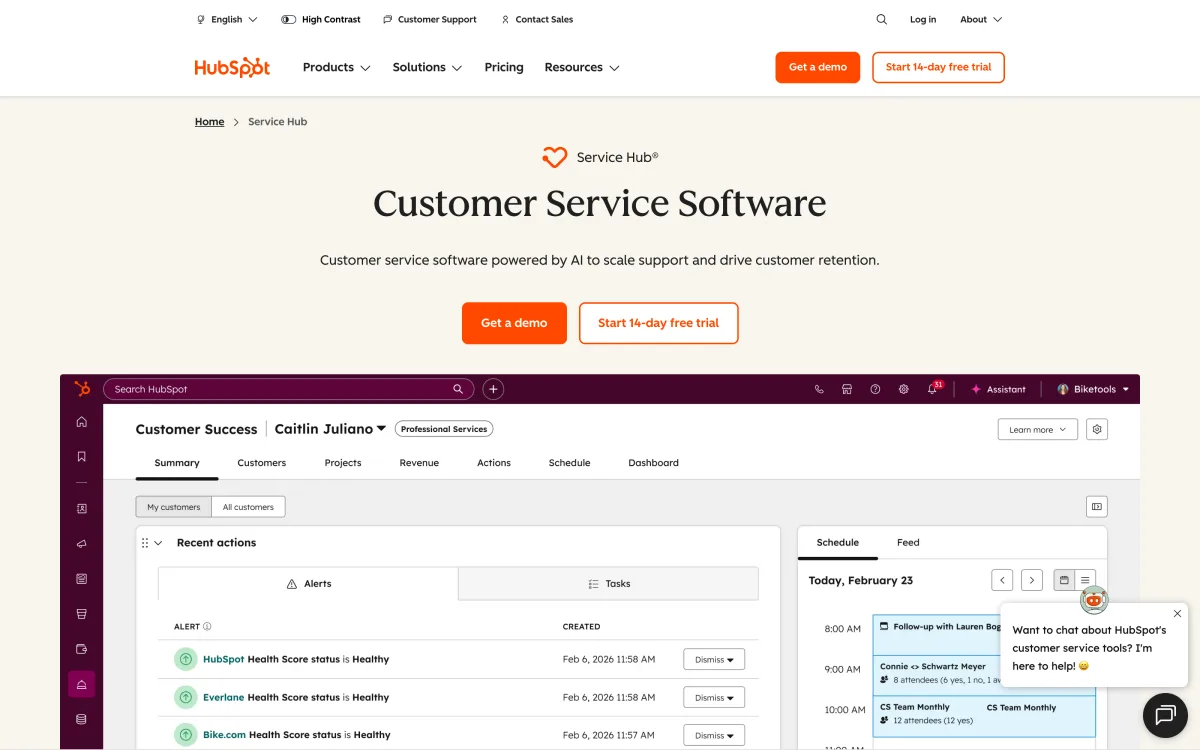
Choose HubSpot if you’re already running marketing or sales through HubSpot and want chat, ticketing, and CRM data in one system, and you’re comfortable with the Professional-tier onboarding fee and per-resolution AI cost. It’s a weaker fit if you just want a self-serve, no-code answering layer without committing to the wider HubSpot ecosystem and its onboarding fees.
Fin (formerly Intercom) — the most capable AI agent, now under Salesforce
If raw AI capability is what you actually miss about the more advanced end of the chat-agent field, Fin — the company that renamed itself from Intercom in May 2026 and that Salesforce agreed to acquire for about $3.6 billion — is the one to benchmark against. We covered the acquisition and what it means for buyers in a separate deep dive; the short version is that nothing changes immediately for existing customers, but pricing and roadmap direction will drift toward Salesforce over time.
Fin is priced per resolution at $0.99 (Fin pricing), with a 50-resolution monthly minimum if run standalone. Bundled with Intercom’s own messenger, seats start around $29/agent/month, and the agent-assist Copilot is roughly $29/agent/month billed annually ($35 monthly).
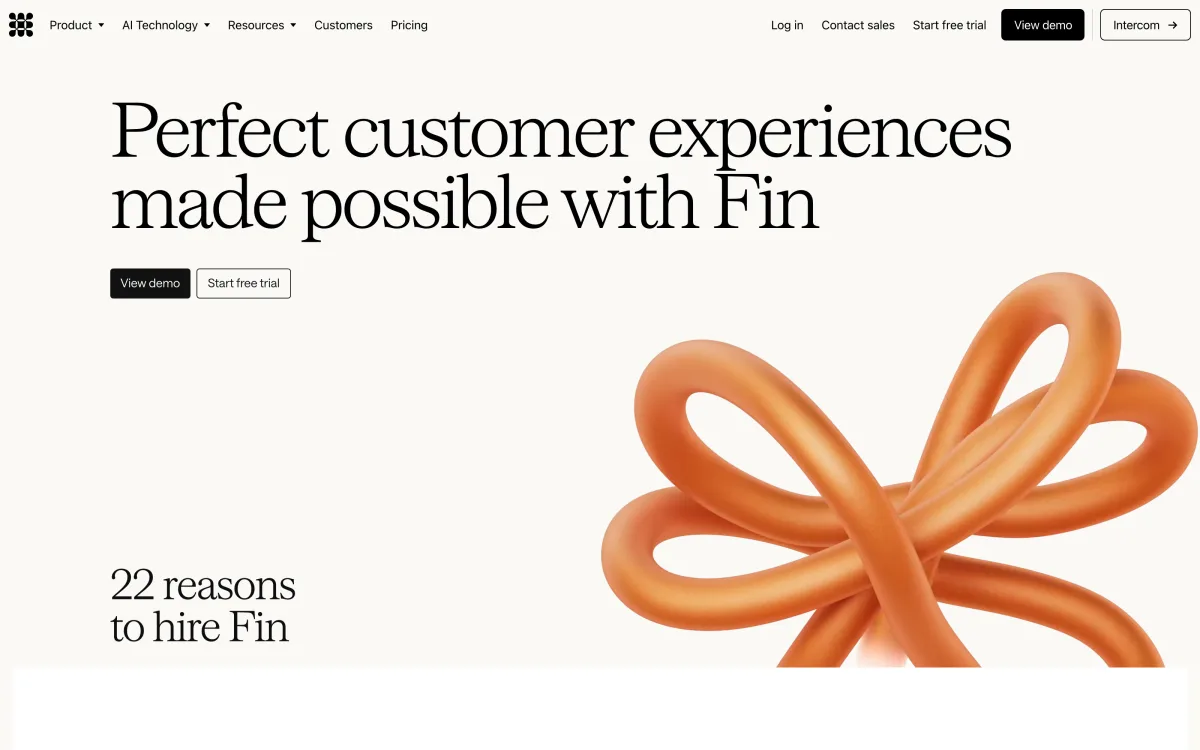
Choose Fin when AI quality is the priority and your resolution volume justifies per-outcome pricing. For a deeper look at Intercom/Fin specifically, see our Intercom alternatives guide.
Zendesk — if you want a full help desk, not just a widget
Zendesk is the pick if leaving Drift is really about wanting a complete, mature help desk rather than a standalone chat widget — full ticketing, omnichannel routing, and AI agents bundled into the Suite plans.
Pricing runs Suite Team at $55/agent/month and Suite Professional at $115/agent/month, billed annually, with Enterprise quoted by sales (Zendesk pricing). The agent-assist Copilot add-on is $50/agent/month on top.
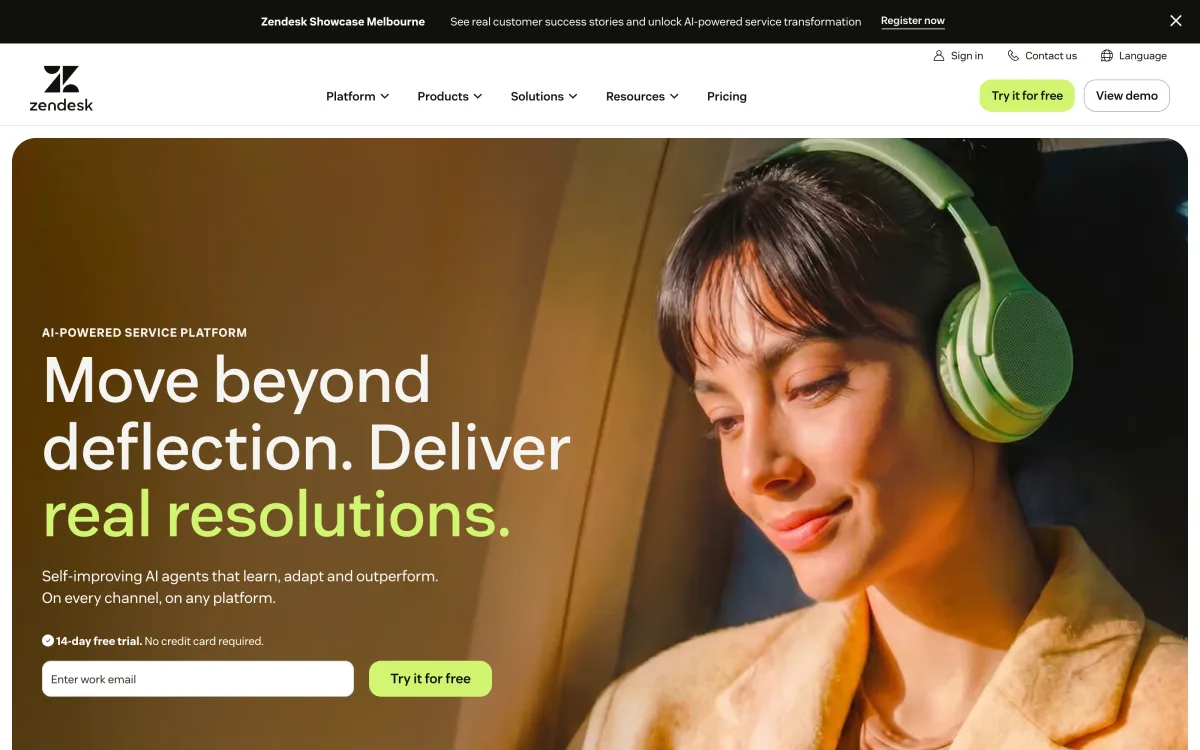
Choose Zendesk when you’ve outgrown a lightweight widget and want the deepest ticketing and routing on the market. It’s overkill if all you need is a website chat agent that answers questions and hands off when it can’t.
Crisp — the closest like-for-like widget
If what you want is simply “a chat widget on my site, priced flat, without becoming a sales-ops project,” Crisp is the closest match to what Drift felt like day-to-day, minus the ABM/intent-data layer. Crisp bundles an omnichannel inbox with a no-code AI agent builder, and recently launched its own named AI agent product (“Hugo”) alongside the core platform.
Pricing is flat per workspace, not per seat: Free (2 seats, no AI credits), Mini at $45/month (4 seats, roughly 90 automated conversations worth of AI credit), Essentials at $95/month (10 seats, roughly 450), and Plus at $295/month (20+ seats, roughly 1,350), with Enterprise custom (Crisp pricing). All plans include a 14-day free trial.
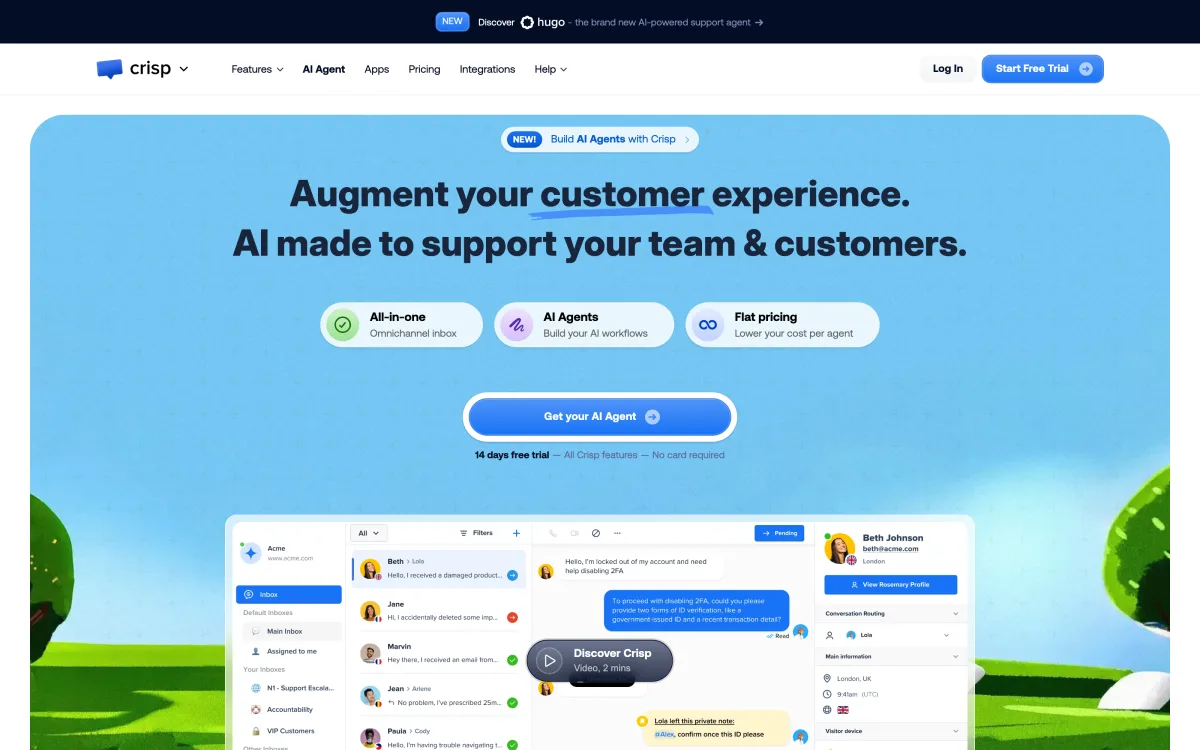
Choose Crisp when you want the lightest possible lift — a widget, flat pricing, and enough AI to handle FAQs — without ticketing depth or grounded-citation answers as a priority. It’s a weaker fit if you need per-answer source citations or a deeper knowledge base pipeline.
How to choose, by what Drift was actually doing for you
- Drift was qualifying leads and booking sales meetings → 1mind is the official path, if your deal size supports an enterprise sales-tool budget. Otherwise, HubSpot folds chat into a CRM you may already run.
- Drift was answering customer and pre-sales questions → Owlish, for grounded answers with citations and clean handoff, on flat pricing.
- You want the most capable AI agent, cost aside → Fin, on per-resolution pricing.
- You want a full help desk, not just a widget → Zendesk.
- You want the cheapest, lightest like-for-like widget → Crisp.
- You’re not sure which job it was doing → look at your own transcript history before Drift goes dark. If most conversations were product/policy questions, you were running a support tool. If most were “let’s get you on a call with sales,” you were running a sales tool.
FAQ
Is Drift shutting down completely?
Clari + Salesloft has confirmed a “gradual sunset,” not an announced hard shutdown date. Drift’s own marketing site already redirects to Salesloft’s Chat Agents product, and active R&D on Drift as a standalone product has stopped. If you’re a current customer, don’t wait for an official end-of-life date to start planning a migration — treat it as already in wind-down.
What is 1mind, and should I switch to it?
1mind is the AI sales-agent company that Clari + Salesloft named as Drift’s exclusive successor in March 2026. It builds AI “digital teammates” for qualifying leads, running demos, and closing deals — a sales-pipeline tool, not a customer-support answering layer. It fits only if that sales-qualification job is what you actually used Drift for, and only if your budget supports an enterprise, sales-led contract; it doesn’t publish self-serve pricing.
Was the Drift breach related to the sunset?
Not directly, based on what Clari + Salesloft has said publicly — the company frames the sunset as a strategic shift toward its own Predictive Revenue System. But the August 2025 OAuth breach, which let attackers reach customer Salesforce environments through Drift’s integration, is part of the context: it forced a temporary shutdown and is the kind of incident that makes a sunset easier to justify eighteen months after a $500 million acquisition.
Does Owlish replace what Drift did?
Partly, and deliberately not all of it. Owlish replaces the “answer visitor questions with grounded, cited answers and hand off to a person when needed” job. It does not do visitor de-anonymization, intent data, outbound sequencing, or sales-qualification routing — if that was your primary use of Drift, look at 1mind or a CRM-native tool like HubSpot instead.
What’s the fastest way to migrate off Drift?
Export whatever conversation history and playbooks you can from Drift while it’s still accessible, decide which job (sales or support) your widget was actually doing using that history, then pick from the matching column above. For the support-chat path, point a new agent at your existing help center and policy pages first — that’s usually the fastest way to get parity, since it’s content you already have.
Sources
- Salesloft — 1mind partnership announcement
- Cloudflare — response to the Salesloft/Drift incident
- 1mind — homepage
- HubSpot — Service Hub pricing
- Fin AI — pricing
- Zendesk — pricing
- Crisp — pricing
- Owlish — pricing
- Owlish — knowledge base overview
- Owlish — citations docs
- Owlish — human handoff docs
- Our Salesforce/Intercom (Fin) acquisition analysis
- Our Intercom alternatives guide
Comparison data was gathered from public vendor pages in July 2026 and may change; check the linked pages for current details.
Trademark note
Drift, Salesloft, Clari, 1mind, HubSpot, Breeze, Intercom, Fin, Zendesk, Crisp, Hugo, Salesforce, Slack, Microsoft Teams, Google Chat, WhatsApp, Instagram, Messenger, Telegram, and other product names mentioned here are trademarks or registered trademarks of their respective owners. Owlish is not affiliated with or endorsed by those companies unless explicitly stated. Comparisons reflect public information as of July 2026 and are provided for buyer guidance, not as endorsements.
Where to start with Owlish
If your Drift widget’s real job was answering customer questions rather than qualifying sales leads, point a new agent at your help center, policy pages, and product FAQs, turn on citations, and set a handoff rule for anything that needs a person. The pricing page shows where human handoff and channels begin, and building your first agent walks through setup. You can have a working comparison against your old Drift widget within a day, while you still have access to pull historical transcripts for reference.